


Pest Control Services in Hyattsville, MD
Hyattsville sits at the crossroads of urban convenience and green space, with neighborhoods ranging from historic districts near Route 1 to newer developments along the West Hyattsville Metro corridor. This mix of older homes, mature tree canopy, and proximity to the Anacostia River creates distinct pest pressures that vary block by block across Prince George's County.
Homes near Magruder Park and the Northwest Branch Trail frequently contend with moisture-seeking pests. The shaded, humid conditions in these areas draw millipedes, sowbugs, and occasional termite activity. Properties with original crawl spaces—common in Hyattsville's early 20th-century housing stock—require particular attention to moisture barriers and structural void treatments.
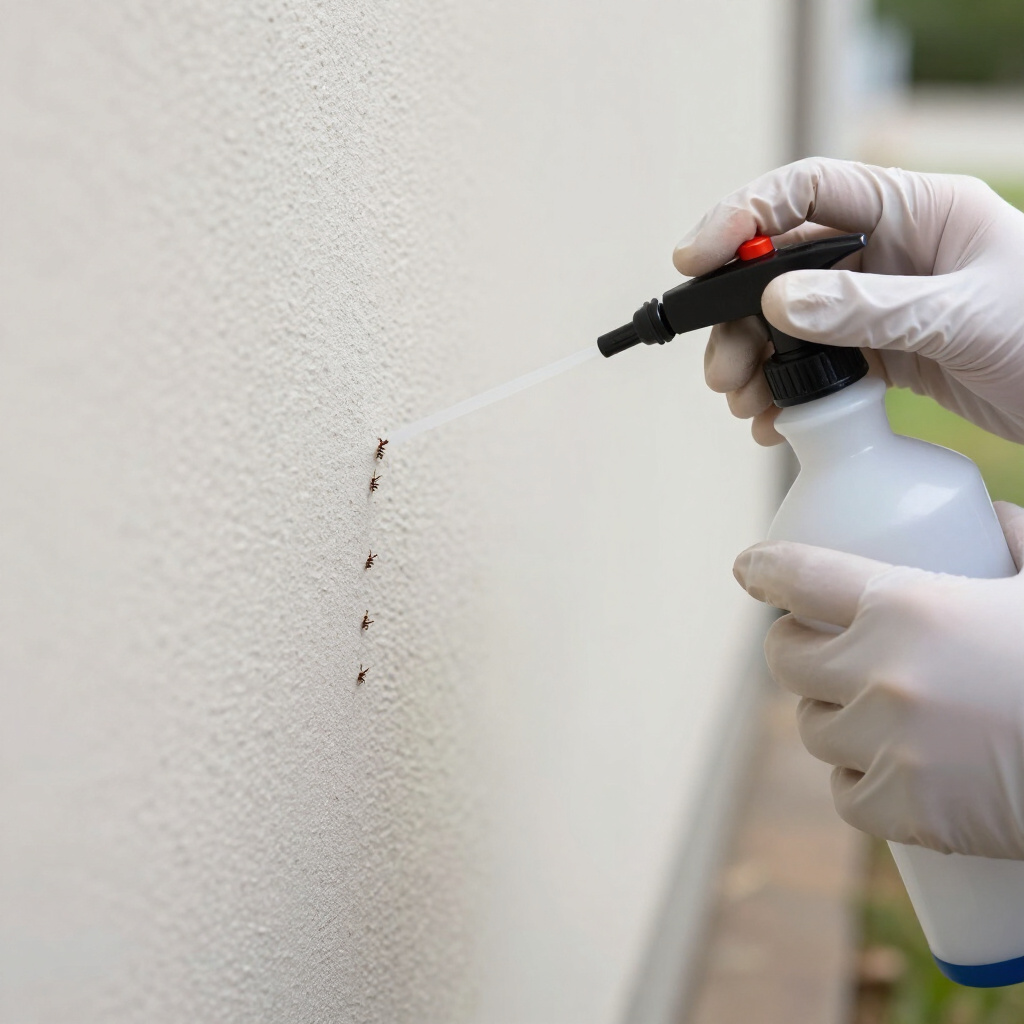
Ant problems spike seasonally throughout Hyattsville, with odorous house ants emerging in spring and fall. These colonies often nest beneath sidewalk slabs, driveway expansion joints, and landscaping timbers, making perimeter management essential. For residents near the Prince George's Plaza or Queens Chapel Road commercial corridors, increased foot traffic and shared walls in townhome communities can accelerate pest movement between units.
Stinging insect activity concentrates around eaves, soffits, and deck overhangs during summer months. Paper wasps and bald-faced hornets establish nests quickly in these protected spaces. Early identification prevents escalation, as mature colonies become aggressively defensive by late July and August.
Rodent pressure intensifies nearest to the Metrorail corridor and major bus routes, where infrastructure corridors provide travel pathways. Sealing entry points larger than a quarter-inch, combined with strategic exterior baiting, addresses both active issues and prevents reinvasion from neighboring properties.
Seasonal mosquito concerns affect properties backing to stream valleys or with inadequate drainage. The city participates in county-wide surveillance, but individual yard treatments targeting resting sites and breeding habitat provide the most immediate relief for outdoor spaces.
Frequently Asked Questions About Pest Control in Hyattsville
What pests are most common in Hyattsville homes?
Ants, particularly odorous house ants and pavement ants, top the list seasonally. Termite pressure runs above national averages due to Maryland's climate and Hyattsville's concentration of older wood-framed homes. Rodents spike in fall and winter, while stinging insects peak during summer. Moisture-dependent pests like millipedes and springtails appear consistently in shaded, low-lying properties near the Northwest Branch watershed.
How does living near the Metro or bus routes affect pest activity?
Transit corridors create continuous habitat edges and underground pathways that rodents exploit. The vibration and warmth from Metrorail tunnels can disturb nesting sites, pushing activity above ground. Buildings within two blocks of these corridors typically benefit from more intensive exterior sealing programs and quarterly monitoring rather than standard bi-annual service intervals.
Are historic homes in Hyattsville more vulnerable to termites?
Age alone doesn't determine risk, but construction methods common in pre-1950 Hyattsville homes do. Dirt crawl spaces, minimal vapor barriers, direct wood-to-soil contact on porch supports, and original basement window wells create multiple access points. Modern termite treatments using non-repellent transfer agents work effectively in these structures but require thorough inspection mapping to address all potential entry routes.
What should renters in Hyattsville know about pest control responsibilities?
Maryland law requires landlords to maintain rental properties free of rodent and insect infestations. However, tenant cooperation with preparation instructions and sanitation measures directly impacts treatment success. Renters in multi-unit buildings should report pest sightings immediately, as delayed reporting allows populations to spread through shared wall voids and utility chases. Document all communications with property management regarding pest issues.