

Professional Pest Control Services in Mount Rainier
Mount Rainier sits just northeast of Washington, D.C., where its tree-lined streets and historic homes create an inviting environment for residents—and unfortunately, for pests too. The city's location in Prince George's County, combined with its mature canopy and proximity to the Anacostia River watershed, means homeowners here face unique pest pressures throughout the year.
The humid Mid-Atlantic summers bring mosquitoes, ants, and termites in force, while cooler months drive rodents and overwintering insects indoors seeking warmth. Older housing stock, common in this established community, often has gaps, cracks, and moisture issues that pests exploit. Whether you're dealing with carpenter ants in a bungalow near 34th Street or mice in a rental property along Rhode Island Avenue, professional pest control tailored to Mount Rainier's specific conditions makes all the difference.
Local expertise matters here. Technicians familiar with Prince George's County building styles, soil conditions, and seasonal pest patterns can identify problem areas faster and implement solutions that last. From preventative perimeter treatments to targeted interior applications, the right approach protects both your property and the surrounding environment.
Our Pest Control Services in Mount Rainier
Mount Rainier homeowners have access to comprehensive pest management solutions designed for residential properties throughout the city. Our service offerings include:
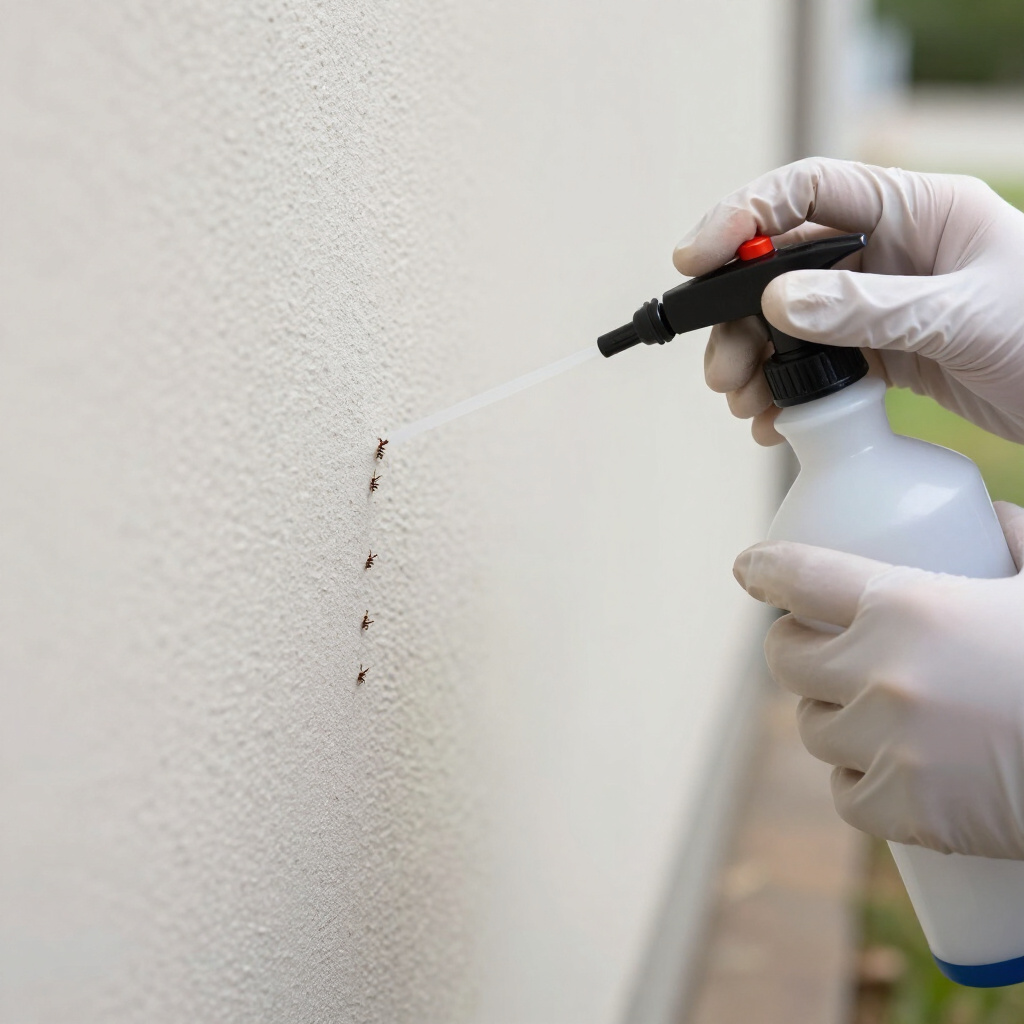
- General Pest Control: Quarterly and bi-monthly protection plans covering ants, spiders, cockroaches, silverfish, and other common household invaders.
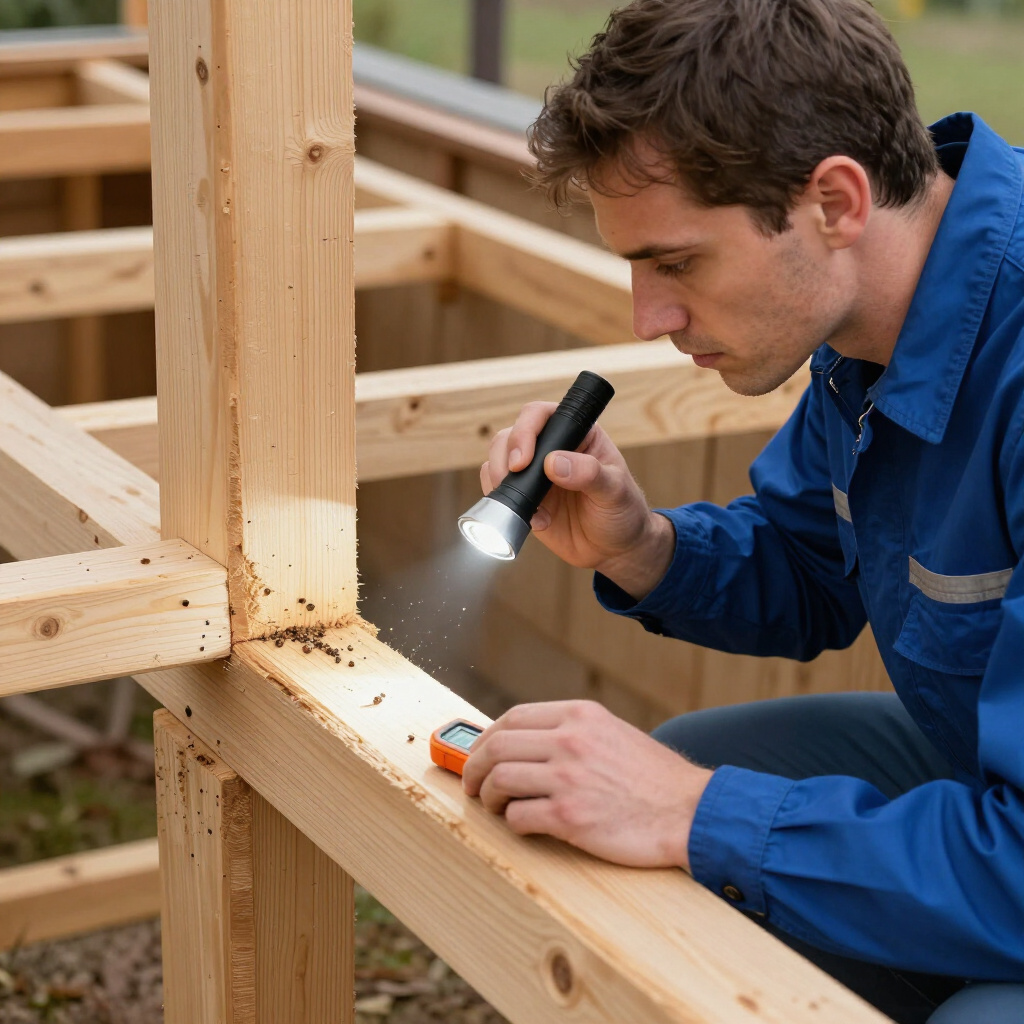
- Termite Inspections & Treatment: Subterranean termite monitoring, liquid barrier treatments, and baiting systems specifically configured for Maryland's termite pressure zones.
- Rodent Control: Exclusion work, trapping programs, and ongoing monitoring for mice and rats—particularly critical for properties near alleys and green spaces.
- Mosquito & Tick Reduction: Seasonal yard treatments targeting breeding habitats in shaded, damp areas common throughout Mount Rainier's lush neighborhoods.
- Bed Bug Elimination: Heat treatment and targeted chemical applications for multi-unit buildings and single-family homes alike.
- Wildlife Management: Humane removal of squirrels, raccoons, and other wildlife, with sealing of entry points to prevent return.
Each service begins with a thorough property inspection to identify active infestations, conducive conditions, and potential entry points. Treatment plans are customized rather than one-size-fits-all, accounting for your home's construction, your family's needs, and any pets on the property.
What to Expect: Pest Control Costs in Mount Rainier
Pricing for pest control in Mount Rainier varies based on several factors, including property size, pest type, infestation severity, and whether you need a one-time treatment or ongoing protection.
For general pest prevention, most homeowners in Prince George's County pay between $35 and $75 per month for recurring service plans. These typically include scheduled exterior treatments with interior coverage as needed, plus callbacks between scheduled visits at no extra charge. Initial visits often carry a setup fee ranging from $99 to $199, which covers the comprehensive inspection and first treatment.
Specialized services command different price points. Termite treatments using liquid barriers generally run $800 to $2,500 depending on home size and foundation type, while baiting systems involve initial installation plus annual monitoring fees. Bed bug elimination typically starts around $500 per room for heat treatment, with whole-house treatments running higher. Rodent control programs usually begin with an exclusion assessment and initial trapping phase, followed by optional ongoing monitoring.
Many companies offer free inspections and estimates, allowing you to compare approaches before committing. Be wary of quotes that seem substantially lower than competitors—they may indicate limited treatment scope or hidden fees.
Areas We Serve in and Around Mount Rainier
Our pest control technicians regularly serve properties throughout Mount Rainier and neighboring communities in Prince George's County and beyond. We cover all Mount Rainier neighborhoods, from the historic district near the city center to residential streets along Eastern Avenue and beyond.
Nearby areas we also serve include:
- Hyattsville
- Bladensburg
- Riverdale Park
- Cheverly
- Takoma Park
- Northeast and Southeast Washington, D.C.
Whether you need emergency pest removal or want to establish year-round protection, service is available across these interconnected communities with response times designed to address urgent infestations quickly.
Frequently Asked Questions About Pest Control in Mount Rainier
What pests are most common in Mount Rainier homes?
Ants (including odorous house ants and carpenter ants), mice, spiders, cockroaches, and mosquitoes top the list. Termite pressure is also significant due to the area's mature tree canopy and soil conditions. Seasonal variations bring different pests to the forefront, with stink bugs and boxelder bugs appearing in fall.
How often should Mount Rainier homes receive pest control treatments?
Most properties benefit from quarterly exterior treatments, with interior service as needed. Homes with previous infestations, those near wooded areas, or properties with moisture issues may require bi-monthly visits initially. Older homes in Mount Rainier's historic districts often need more attentive sealing and monitoring.
Are pest control treatments safe for children and pets?
Modern pest control products, when applied by licensed professionals following label directions, pose minimal risk to families and pets. Technicians can use reduced-risk options and target applications away from high-contact areas. You'll typically receive guidance on any temporary precautions, such as staying off treated lawns until dry.
Do I need pest control in winter if I don't see bugs?
Yes—winter is actually when rodents and certain insects move indoors, and it's also the ideal time for preventative treatments that reduce spring populations. Skipping winter service often leads to bigger problems when temperatures rise and hidden pest populations surge.