
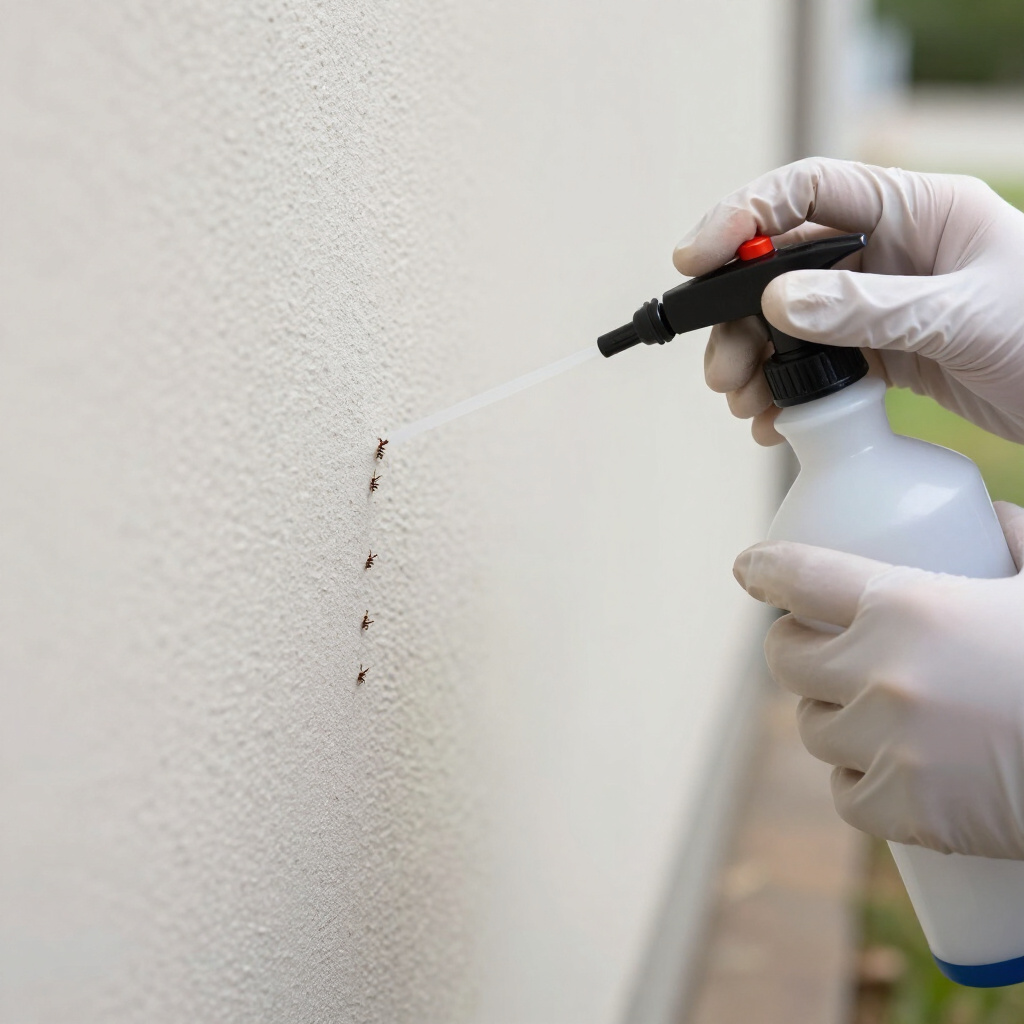


Professional Pest Control Services in College Park
College Park homeowners face year-round pest pressures thanks to Maryland's humid summers, mild winters, and the area's mix of historic neighborhoods, student housing, and wooded green spaces near the University of Maryland campus. Whether you're dealing with ants marching through your kitchen in Old Town, mice seeking shelter in a Berwyn Heights basement, or mosquitoes breeding in standing water near Paint Branch Trail, professional pest control helps protect your property and your family's health.
Prince George's County's climate creates ideal conditions for seasonal pest surges. Spring brings termite swarms and carpenter ant activity. Summer explodes with mosquitoes, ticks, and stinging insects. Fall drives rodents indoors as temperatures drop. Winter may seem quiet, but bed bugs thrive year-round in multi-unit housing, and overwintering pests like stink bugs and boxelder bugs cluster in wall voids. A localized, ongoing pest management approach accounts for these College Park-specific patterns rather than applying generic treatments.
Our Pest Control Services in College Park
We provide comprehensive pest management tailored to the housing stock and landscape of College Park and surrounding Prince George's County communities. Our services include:
- General Pest Control: Quarterly or bi-monthly perimeter treatments targeting ants, spiders, crickets, silverfish, and occasional invaders common to Maryland homes.
- Rodent Control & Exclusion: Inspection, trapping, and sealing entry points for mice and rats—critical for older homes near Route 1 and areas with mature tree canopy.
- Termite Control: Liquid barrier treatments and baiting systems to protect against Eastern subterranean termites, the most destructive species in Maryland.
- Mosquito & Tick Reduction: Seasonal yard treatments focusing on breeding sites and harborage areas, essential for properties backing to parks, streams, or wooded lots.
- Bed Bug Elimination: Heat treatment and targeted chemical protocols for single-family homes, apartments, and group housing near campus.
- Stinging Insect Removal: Safe nest removal for yellow jackets, hornets, and paper wasps—often nesting in eaves, soffits, and landscaping around College Park properties.
- Wildlife Management: Humane trapping and exclusion for squirrels, raccoons, and groundhogs that frequently invade attics and crawl spaces in suburban Prince George's County.
What to Expect: Pest Control Costs in College Park
Pest control pricing in College Park depends on the pest type, infestation severity, property size, and whether you need a one-time treatment or ongoing protection. Here's what homeowners in Prince George's County typically encounter:
One-Time Treatments: General pest visits for specific issues like ant trails or wasp nests usually range from $150 to $350. More complex problems—bed bugs, extensive termite damage, or wildlife in structures—can run $500 to $2,000+ depending on treatment method and follow-up requirements.
Recurring Service Plans: Quarterly pest prevention plans for average-sized College Park homes commonly fall between $400 and $700 annually. These plans include scheduled exterior treatments, interior coverage as needed, and free re-treatments between scheduled visits if pests return.
Termite Protection: Initial liquid barrier treatments for a typical single-family home range from $800 to $1,500, with annual monitoring or renewal fees of $100 to $300. Bait systems may involve higher upfront costs but lower ongoing maintenance.
Homes with crawl spaces, extensive landscaping, or proximity to wooded areas like those near Lake Artemesia or the Anacostia Tributary Trail System may require more intensive initial treatments. Student rentals and multi-unit properties near campus often need specialized protocols and pricing structures.
Areas We Serve in and Around College Park
Our technicians live and work throughout Prince George's County, providing prompt service across College Park's distinct neighborhoods and adjacent communities. We regularly treat properties in:
- Old Town College Park – Historic homes with mature gardens and established tree lines
- Berwyn Heights – Suburban streets with mixed housing ages and active wildlife corridors
- University Hills – Mid-century homes near campus with dense canopy cover
- Calvert Hills – Quiet residential area with significant tick and mosquito pressure from nearby woods
- Adelphi – Border community with diverse housing stock and rental concentrations
- Langley Park – High-density area requiring specialized multi-unit pest management
We also extend service throughout greater Prince George's County, including communities along the Baltimore-Washington Parkway corridor and inside the Capital Beltway.
Frequently Asked Questions About Pest Control in College Park
Are pest control treatments safe for families with young children and pets?
Yes. Modern pest control products applied by licensed professionals target specific pest biology while minimizing risk to mammals. We use precise application methods—perimeter banding, crack-and-crevice treatments, and bait placements in inaccessible areas—to keep products away from children and pets. We'll provide specific preparation and re-entry instructions based on your treatment plan.
How quickly can you respond to a pest emergency near the University of Maryland?
We typically schedule initial inspections within 24 to 48 hours for standard requests. Urgent situations—active wasp nests, severe rodent infestations, or bed bug confirmations—often receive same-day or next-day service. Our local technicians are based in Prince George's County, allowing faster response than companies dispatching from Baltimore or Northern Virginia.
Do I need year-round pest control, or can I just treat seasonally?
While some College Park homeowners opt for seasonal treatments targeting specific pests, year-round protection provides better value and prevention. Maryland's mild winters mean pests remain active longer, and rodents actively seek indoor shelter from November through March. A continuous barrier prevents the population buildup that makes seasonal infestations harder and more expensive to eliminate.