
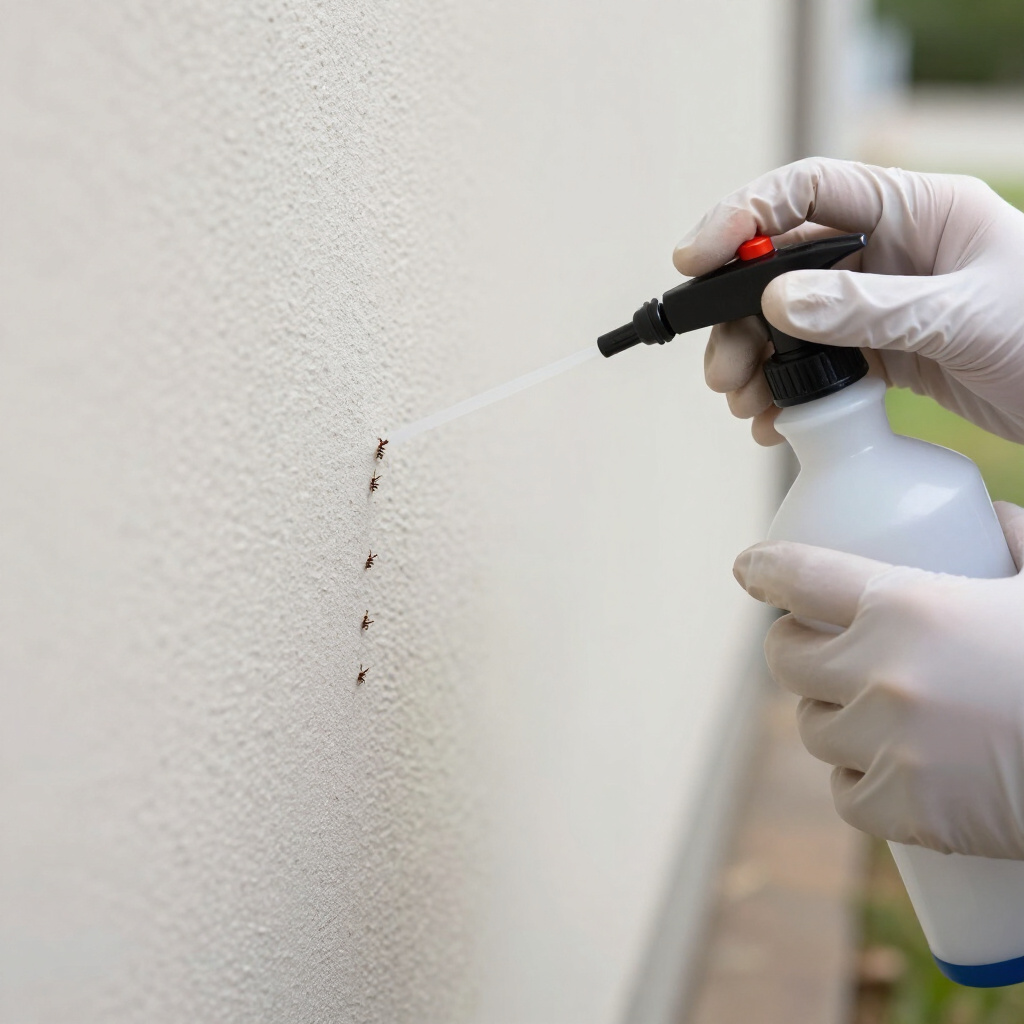


How to Choose a Pest Control Professional in Greenbelt
Finding the right pest control provider in Greenbelt means looking beyond just price. Prince George's County has specific environmental conditions—humid summers, wooded areas near the Beltway, and aging residential stock—that make local experience invaluable.
Start with proper licensing. Maryland requires pest control applicators to hold certification through the Maryland Department of Agriculture. Ask for your technician's license number and verify it through the state's online database. This isn't bureaucratic box-checking; unlicensed operators can apply chemicals improperly, creating health risks for your family and potential liability issues.
Experience with Prince George's County's particular pest pressures matters. Greenbelt's proximity to the Greenbelt Park and the USDA's Beltsville Agricultural Research Center means wildlife interactions and agricultural pest migration patterns differ from more urbanized parts of the county. Technicians familiar with these dynamics can spot infestation vectors that outsiders might miss.
Ask specifically about their approach to integrated pest management (IPM). Quality providers in Greenbelt emphasize prevention, exclusion, and targeted treatments rather than blanket pesticide applications. This matters particularly if you live near water features or have children and pets. Request a written treatment plan before committing.
Finally, check reviews from neighbors in your specific Greenbelt neighborhood—Old Greenbelt, Greenbelt East, or the newer developments along Greenbelt Road. Pest pressures vary block by block, and localized feedback reveals patterns about responsiveness and follow-through that generic ratings obscure.
What to Expect from Pest Control Services in Greenbelt
Your first service typically begins with a thorough inspection lasting 45 minutes to an hour. The technician should examine your foundation, attic, basement, crawl spaces, and exterior perimeter. In Greenbelt's older homes—particularly the original Roosevelt-era cooperative housing—pay attention to whether they check for historical construction quirks like clay tile drains or unsealed crawl space vents that create pest highways.
After inspection, you'll receive a findings report and treatment recommendation. This should identify the specific pest species (not just "ants" but Camponotus carpenter ants versus Tetramorium pavement ants), evidence locations, and contributing conditions. Be wary of vague diagnoses.
Treatment implementation varies by pest and season. For ongoing protection, most Greenbelt homeowners benefit from quarterly maintenance visits, though severe infestations may require monthly follow-ups initially. The technician should explain what products they're applying, where, and why—Maryland law requires this disclosure upon request.
Between visits, expect documentation of any pest activity you observe. Good providers in Prince George's County offer digital portals or apps for logging sightings, which helps technicians adjust their approach. Your service agreement should clearly state response times for emergency callbacks, typically 24-48 hours for standard issues, faster for stinging insect nests or rodent activity.
Available Pest Control Services
Providers serving Greenbelt offer comprehensive solutions tailored to the area's specific challenges:
- Termite control — Subterranean termites thrive in Prince George's County's moist soil conditions. Services include liquid barrier treatments, baiting systems, and pre-construction prevention for home additions.
- Rodent management — Mice and rats exploit Greenbelt's mature tree canopy and utility lines to access attics and crawl spaces. Exclusion work—sealing entry points with rodent-proof materials—forms the foundation of effective programs.
- Mosquito and tick reduction — Essential for properties backing onto wooded areas or near Greenbelt Lake. Treatments target breeding sites and resting vegetation, with options for one-time event protection or seasonal programs.
- Stinging insect removal — Paper wasps, yellowjackets, and bald-faced hornets nest in eaves, shrubs, and ground cavities throughout suburban Greenbelt. Professional removal prevents dangerous DIY encounters.
- Ant and cockroach control — Odorous house ants and German cockroaches represent the most common interior complaints. Gel baits, non-repellent transfer insecticides, and habitat modification address infestations at their source.
- Wildlife management — Squirrels, raccoons, and occasional groundhogs require humane trapping and exclusion. Maryland regulations govern relocation distances and methods, so proper licensing matters significantly here.
- Bed bug elimination — Heat treatment and targeted chemical applications address these increasingly common hitchhikers in multi-unit housing and after travel.
Many providers offer bundled annual plans combining multiple services at reduced rates compared to à la carte pricing. For Greenbelt's climate, plans including termite monitoring, quarterly perimeter treatments, and seasonal mosquito reduction provide the most complete protection.
Frequently Asked Questions
Are pest control treatments safe for pets and children?
Modern applications use targeted, low-toxicity products applied in inaccessible areas. Reputable Greenbelt providers follow label directions precisely and can recommend temporary evacuation periods—typically 2-4 hours for interior treatments. Always inform your technician about household members with respiratory sensitivities, pregnancy, or young children.
How quickly can I get service for an active infestation?
Most established providers in Prince George's County offer next-day or same-week appointments for active infestations. Emergency protocols exist for stinging insect nests near entryways or severe rodent issues. During peak season (May-September), booking 3-5 days ahead for non-urgent inspections helps secure preferred time slots.
Why do pests keep returning after treatment?
Reinfestation usually indicates unresolved entry points or conducive conditions rather than treatment failure. Greenbelt's mature landscaping, shared walls in cooperatives, and proximity to parkland create ongoing pressure. Effective long-term control requires the exclusion work and environmental modifications that quality providers include in comprehensive programs—not just chemical applications.