
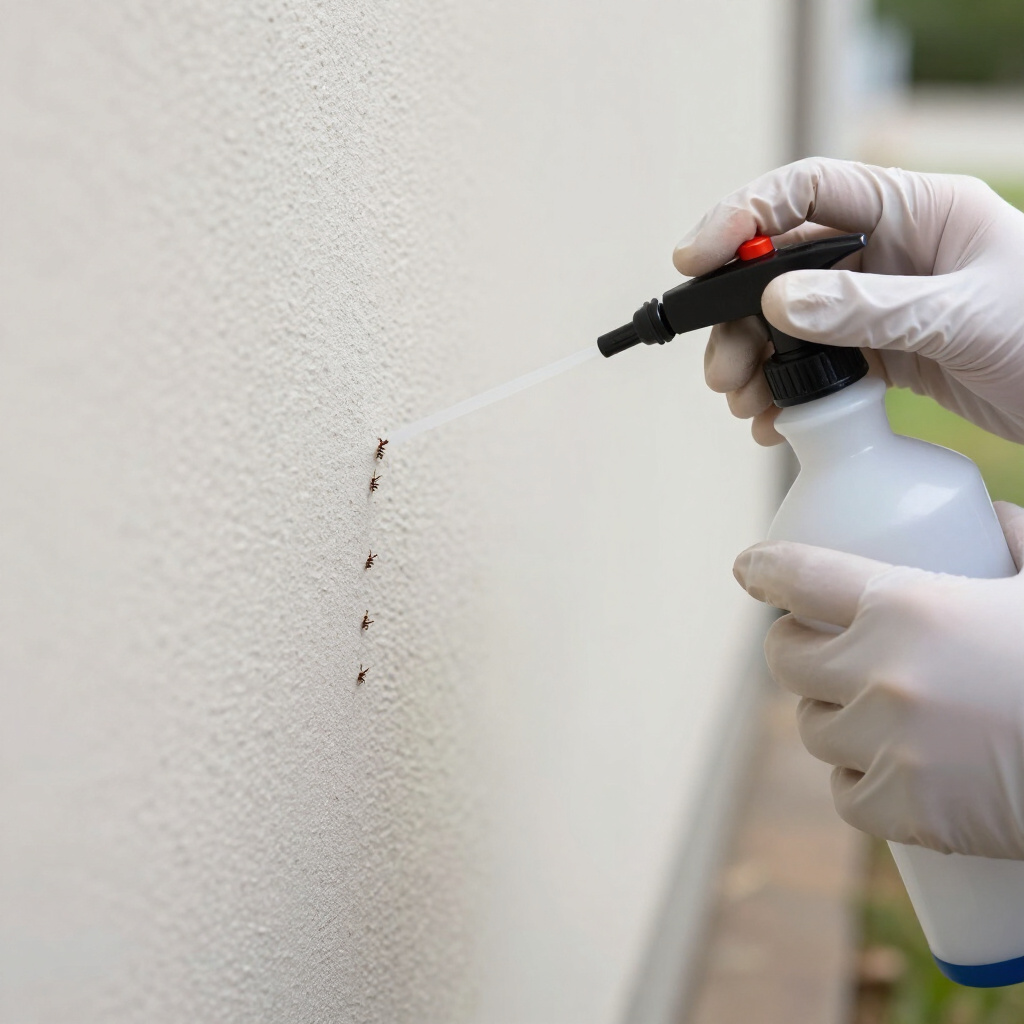


Professional Pest Control Services in District Heights
District Heights homeowners face unique pest challenges throughout the year. Located in Prince George's County just southeast of Washington, D.C., this residential community's mature tree canopy, humid summers, and proximity to wooded areas create ideal conditions for rodents, termites, ants, mosquitoes, and stinging insects. Seasonal temperature swings drive pests indoors seeking shelter, while the area's mix of single-family homes and townhouses provides numerous entry points for unwanted visitors.
Effective pest management in District Heights requires understanding local pest patterns. Subterranean termites remain active in Maryland's soil year-round, while carpenter ants exploit moisture-damaged wood common in older neighborhoods. Brown marmorated stink bugs cluster on sunny exterior walls each fall, and mice frequently invade basements and crawl spaces as temperatures drop. Professional pest control addresses these issues with targeted, environmentally responsible treatments designed for Prince George's County's specific conditions.
Our Pest Control Services in District Heights
We provide comprehensive pest solutions tailored to District Heights properties and the surrounding Prince George's County area.
Residential Pest Control
Our ongoing home protection plans include quarterly exterior treatments with interior coverage as needed. Programs target perimeter pests before they enter, with specialized attention to common District Heights issues like odorous house ants, pavement ants, spiders, and occasional invaders such as millipedes and earwigs.
Termite Control & Prevention
Subterranean termites cause significant structural damage throughout Maryland. We offer liquid barrier treatments and baiting systems, plus thorough inspections using moisture meters and thermal imaging to detect activity in hidden areas like crawl spaces and wall voids.
Rodent Exclusion & Control
Mice and rats exploit gaps in foundation walls, utility penetrations, and garage door seals. Our approach combines trapping, baiting, and structural exclusion—sealing entry points with appropriate materials to prevent reinfestation in District Heights' dense residential settings.
Mosquito & Tick Reduction
Backyard treatments target breeding and resting sites during peak season (April through October), reducing populations of disease-carrying mosquitoes and black-legged deer ticks common in Prince George's County's wooded margins.
Stinging Insect Removal
Professional nest removal for yellow jackets, bald-faced hornets, and paper wasps—particularly important in neighborhoods with children and pets. We also address carpenter bee damage to wooden trim and decks.
Bed Bug Treatments
Discreet inspection and elimination using heat treatment, conventional applications, or integrated approaches depending on infestation level and property type.
What to Expect: Pest Control Costs in District Heights
Pest control pricing varies based on pest type, property size, infestation severity, and treatment method. For District Heights homes, general pest control plans typically range from $40 to $80 monthly for ongoing protection, with quarterly options often falling between $100 and $150 per visit. Initial treatments may carry additional fees for assessment and establishing control.
Termite treatments represent a larger investment, generally $800 to $2,500 depending on home size, foundation type, and whether a conventional liquid treatment or baiting system is selected. Rodent control programs usually start around $300 to $600 for initial service with follow-up visits, while bed bug elimination ranges from $500 for targeted conventional treatment to $1,500 or more for whole-home heat remediation.
Mosquito season packages typically run $60 to $100 per application with multiple visits recommended. We provide detailed, no-obligation estimates after inspection—avoiding generic quotes that don't account for your specific District Heights property conditions.
Areas We Serve in and Around District Heights
Our technicians regularly service properties throughout District Heights and neighboring Prince George's County communities. Within District Heights, we cover all residential areas including neighborhoods near District Heights Parkway, Walker Mill Road, and Marlboro Pike corridors, as well as communities bordering Forestville and Suitland.
Nearby towns we serve include:
- Forestville and Suitland to the north and west
- Camp Springs and Andrews Air Force Base area to the south
- Morningside and Hillcrest Heights to the southwest
- Seat Pleasant and Capitol Heights to the northwest
- Largo and Kettering to the east
Whether you live in a mid-century ranch, townhouse community, or newer construction near the Beltway, our familiarity with District Heights' varied housing stock ensures appropriate treatment approaches for your specific property.
Frequently Asked Questions About Pest Control in District Heights
What pests are most common in District Heights homes?
Odorous house ants, pavement ants, and carpenter ants rank among the most frequent complaints, followed by mice, subterranean termites, and mosquitoes. Stink bugs and occasional invaders like millipedes spike during seasonal transitions. The area's mature oak and maple populations support higher spider and caterpillar activity than newer developments.
How quickly can you respond to pest problems in District Heights?
We typically schedule initial inspections within 24 to 48 hours for standard pest concerns. Urgent issues involving stinging insect nests, severe ant infestations, or rodent activity receive same-day or next-day priority when possible, depending on current demand and your location within Prince George's County.
Are your treatments safe for families with children and pets?
Yes. We use EPA-registered products applied according to label specifications, with targeted placement minimizing exposure to non-target organisms. Interior treatments focus on cracks, crevices, and voids rather than open surfaces. We'll provide specific re-entry guidelines and discuss any household sensitivity concerns before treatment.