


How to Choose a Pest Control Professional in Frederick
Frederick's unique position at the edge of the Catoctin Mountains and its historic downtown create distinct pest challenges that demand local expertise. When selecting a pest control provider in Frederick County, prioritize companies with demonstrated knowledge of the area's seasonal pest patterns and architectural diversity.
Look for licensed technicians familiar with Maryland Department of Agriculture regulations. Frederick's humid summers and cold winters drive pests indoors seasonally, so choose a company offering year-round monitoring rather than one-time treatments. Ask specifically about their experience with termite control—the region's older homes, particularly in the historic district, face elevated risk from eastern subterranean termites.
Verify insurance coverage and request references from properties similar to yours. Agricultural properties near Buckeystown or Urbana require different approaches than row houses near Baker Park. The right professional tailors solutions rather than applying uniform treatments.
What to Expect from Pest Control Services in Frederick
Reputable services begin with thorough inspection. Technicians examine entry points, moisture conditions, and harborage areas around your Frederick property. Expect documentation of findings with photographic evidence and specific recommendations.
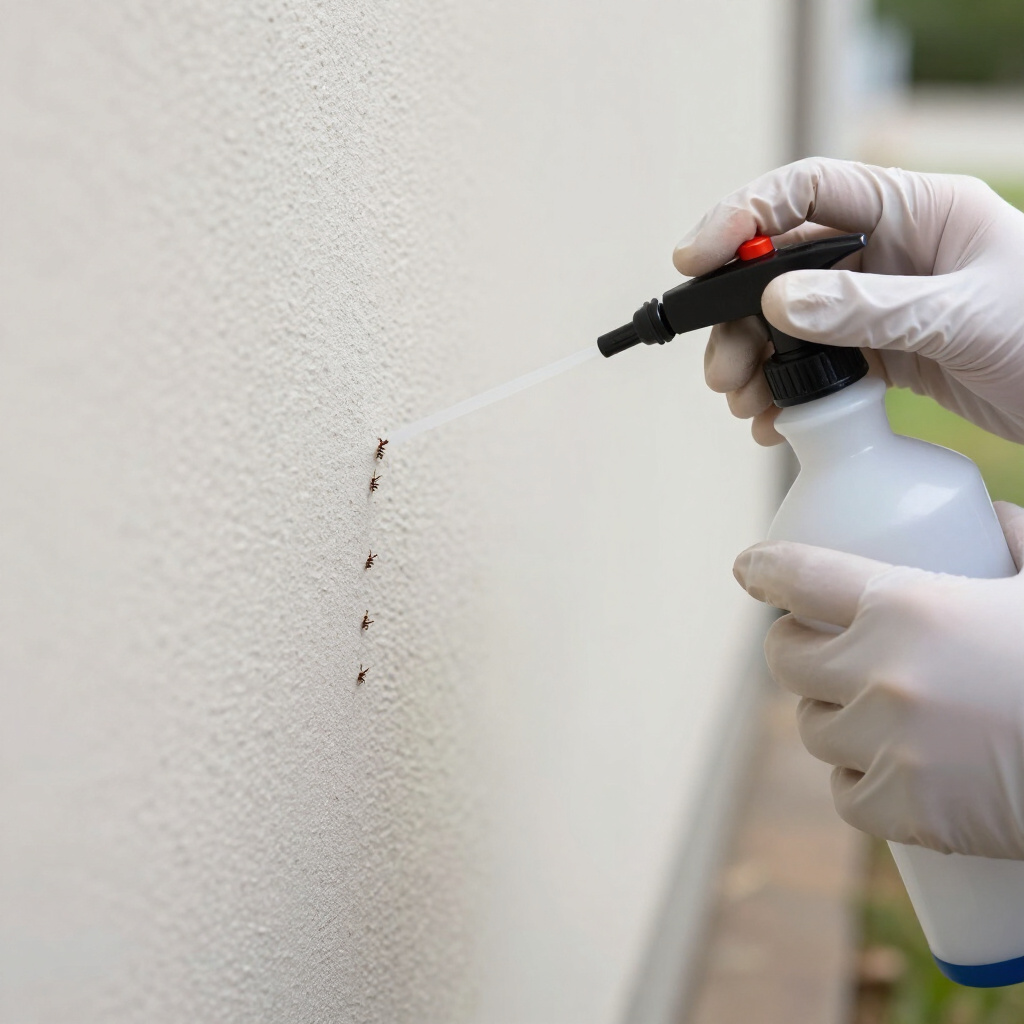
Treatment implementation varies by pest and property type. Integrated Pest Management (IPM) approaches combine mechanical exclusion, habitat modification, and targeted applications. Many Frederick homeowners appreciate this balanced method, particularly those near Carroll Creek Linear Park or other environmentally sensitive areas.
Follow-up scheduling depends on pest pressure and treatment type. Quarterly maintenance plans suit many Frederick County residences, while severe infestations may require more frequent visits. Your provider should explain the monitoring process and guarantee terms clearly before work begins.
Available Pest Control Services
Frederick pest control companies typically offer comprehensive service menus addressing the region's most common invaders:
- Termite inspection and treatment — Liquid barriers and baiting systems for subterranean species
- Rodent exclusion and removal — Mice and rats common in both urban and rural Frederick settings
- Mosquito and tick reduction — Critical for properties near wooded areas and the Monocacy River
- Ant control — Including carpenter ants that threaten structural integrity
- Bed bug elimination — Heat treatment and conventional options for residential and hospitality clients
- Stinging insect nest removal — Wasps, hornets, and bees around eaves and outbuildings
- Wildlife management — Humane removal of squirrels, raccoons, and groundhogs
- Commercial pest programs — Customized for Frederick's restaurants, warehouses, and healthcare facilities
Seasonal programs address the predictable surge of stink bugs in autumn and carpenter bees in spring. Emergency services remain available for sudden infestations requiring immediate attention.
Frequently Asked Questions
How often should Frederick homes receive pest control treatments?
Most Frederick County properties benefit from quarterly maintenance visits. Homes near agricultural land or dense woodland may require monthly service during peak seasons. Historic properties in downtown Frederick often need more attentive monitoring due to construction gaps and mature landscaping.
Are pest control treatments safe for pets and children?
Modern IPM methods minimize chemical exposure through targeted application and preventative exclusion. Reputable Frederick providers use EPA-registered products with established safety profiles. Technicians should provide specific re-entry timelines and precautionary instructions tailored to your household.
What pests are most problematic in Frederick specifically?
Termites, carpenter ants, and stink bugs rank among the most destructive and persistent. The Monocacy River corridor supports substantial mosquito populations, while proximity to Catoctin Mountain Park increases tick exposure. Mice enter structures readily as temperatures drop each autumn.