

There's something unsettling about hearing scratching in the walls at 2 a.m. or finding mysterious droppings in your pantry. Most homeowners try to handle pest problems on their own first—and sometimes that works. But knowing when to call a pest control professional can save you time, money, and a great deal of frustration. The key is recognizing the difference between a minor nuisance and a situation that's spiraling beyond DIY control.
When to Call a Pest Control Professional for Recurring Infestations
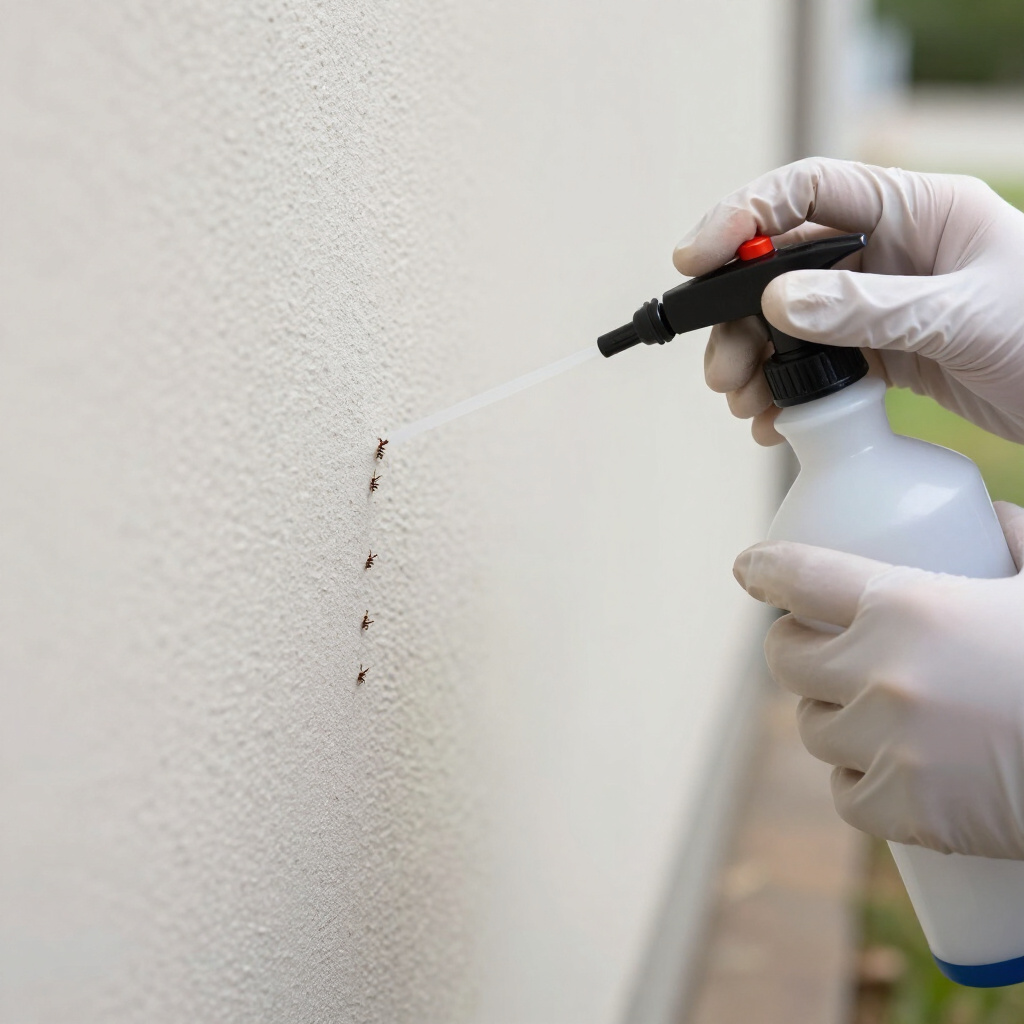
If you've set traps, sprayed perimeter treatments, and sealed entry points yet still see ants marching across your countertop or mice scurrying along baseboards, you've reached a critical turning point. Recurring infestations almost always indicate a deeper problem that surface-level solutions cannot address.
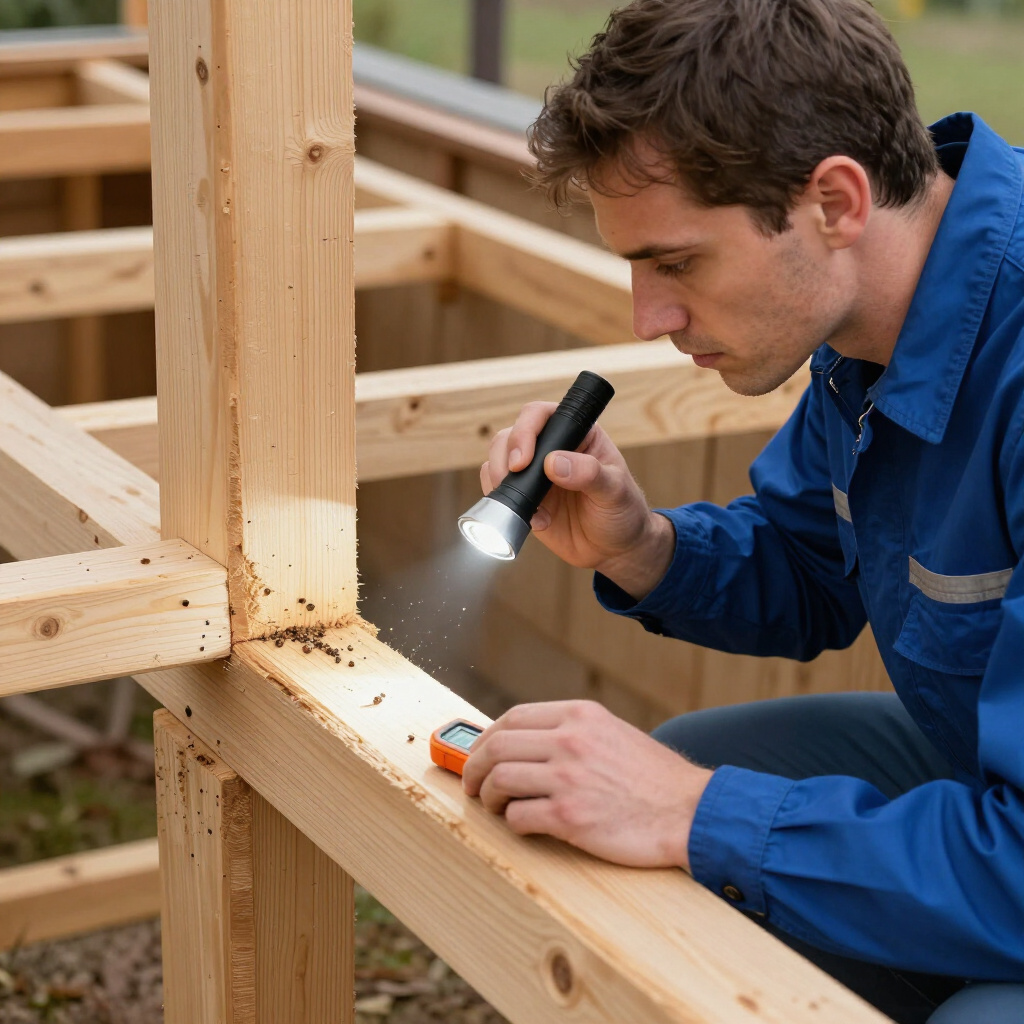
Pest control professionals bring something invaluable to these situations: diagnostic expertise. They don't just treat symptoms—they identify root causes. Perhaps there's a hidden moisture issue attracting carpenter ants, a structural void serving as a rodent highway, or a breeding site you haven't discovered. A professional conducts thorough inspections, often using tools like moisture meters, borescopes, and thermal imaging that the average homeowner simply doesn't have.
Recurring problems also suggest that pests have established breeding populations. By the time you're seeing regular activity, you're likely witnessing just a fraction of the actual infestation. Professionals understand pest biology and behavior well enough to target life cycles effectively, interrupting reproduction rather than merely eliminating visible adults.
Signs That Warrant Immediate Professional Intervention
Certain pest situations demand prompt expert attention due to health risks, property damage potential, or regulatory requirements. Termites top this list—by the time you notice hollow-sounding wood, mud tubes, or discarded wings, structural damage may already be significant. Annual professional inspections remain the only reliable way to catch these destructive pests early.
Bed bugs present another scenario where professional help becomes essential. These insects spread rapidly through homes and resist most over-the-counter treatments. Their growing pesticide resistance means that proper identification, targeted heat treatment, and strategic insecticide application require specialized equipment and training. Attempting DIY bed bug control often disperses the infestation to new areas, making eventual professional treatment more extensive and expensive.
Stinging insects like wasps, hornets, and bees nesting in wall voids or high eaves present genuine safety hazards, particularly for anyone with allergies. Large nests or those in difficult-to-reach locations require protective equipment and controlled application methods that professionals possess.
Wildlife intrusions—raccoons in attics, squirrels in soffits, bats in chimneys—frequently involve legal protections, humane handling requirements, and disease risks (rabies, histoplasmosis) that make professional wildlife control operators the only sensible choice. These specialists understand exclusion techniques that permanently solve problems rather than creating trapped animals that die in inaccessible spaces.
Key Tips for Evaluating Your Situation
Before deciding whether to tackle a pest problem yourself or seek help, consider these practical guidelines. First, assess the scale honestly. A few fruit flies around overripe bananas? DIY. Hundreds emerging from drains? Professional. One mouse in the garage? Possibly manageable. Multiple mice with ongoing droppings? Time for expert help.
Consider your timeline tolerance. DIY methods typically require patience and repeated applications. If you need rapid resolution—perhaps you're selling your home, have vulnerable family members, or cannot tolerate the psychological stress of coexisting with pests—professional intervention delivers faster, more definitive results.
Factor in the true cost comparison. Professional services seem expensive upfront, but calculate what you've already spent on ineffective products, plus potential repair costs from ongoing damage. Many reputable companies offer guarantees and return visits, providing value that one-time DIY purchases cannot match.
Research matters when selecting a provider. Look for licensed, insured professionals with strong local reputations. Ask about integrated pest management approaches that emphasize prevention and minimal chemical use. Request detailed inspection reports and treatment plans before committing. The best professionals educate you about contributing conditions and prevention strategies, not just apply treatments.
Finally, understand that prevention-focused maintenance programs often cost less than reactive emergency treatments. Quarterly or seasonal professional visits can identify vulnerabilities before they become infestations, particularly valuable in regions with year-round pest pressure.
Final Thoughts
Knowing when to call a pest control professional ultimately comes down to protecting what matters most: your family's wellbeing, your home's integrity, and your peace of mind. There's no shame in recognizing when a problem exceeds your expertise or available tools. The most prudent homeowners combine vigilant self-monitoring with the wisdom to engage professionals before small concerns become major crises. When pests persist despite your best efforts, when health or safety risks escalate, or when valuable property stands threatened, reaching out to qualified experts isn't giving up—it's making the smart, responsible choice for long-term protection.