
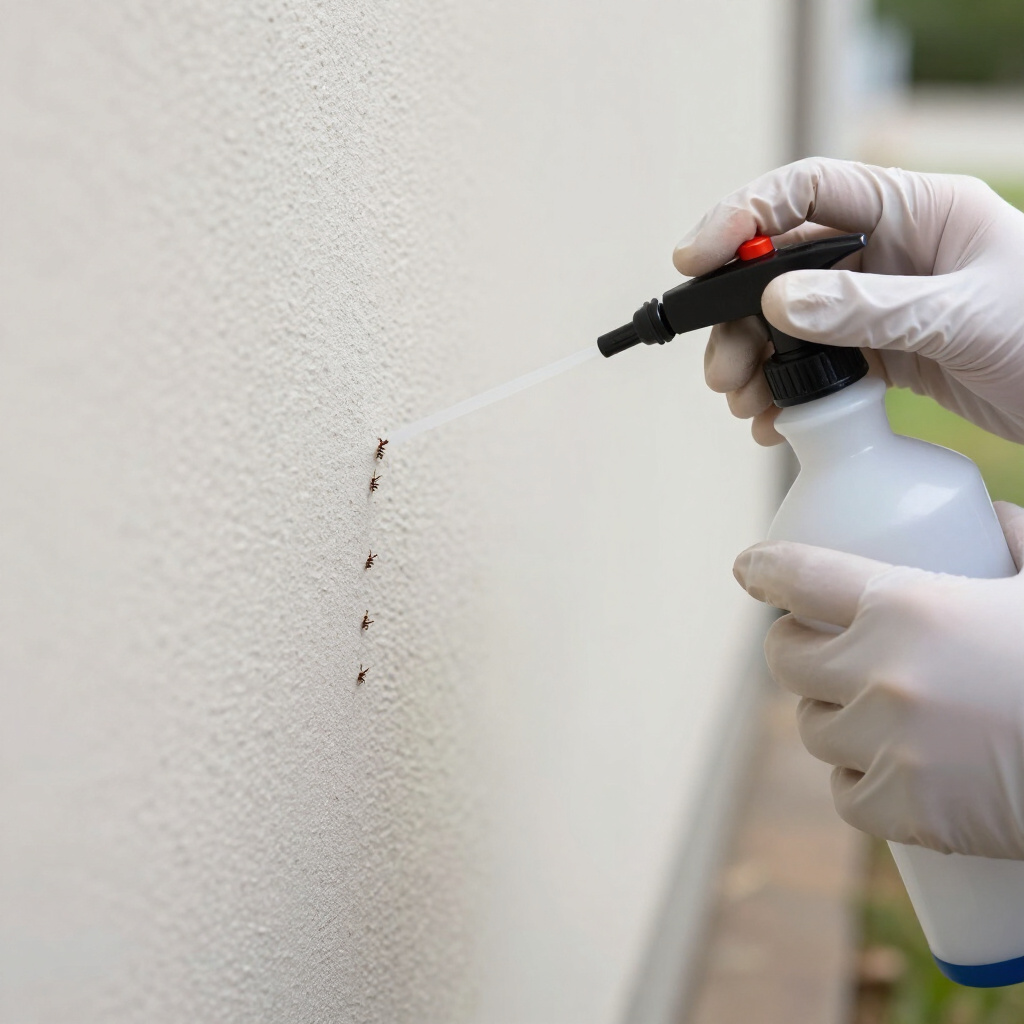

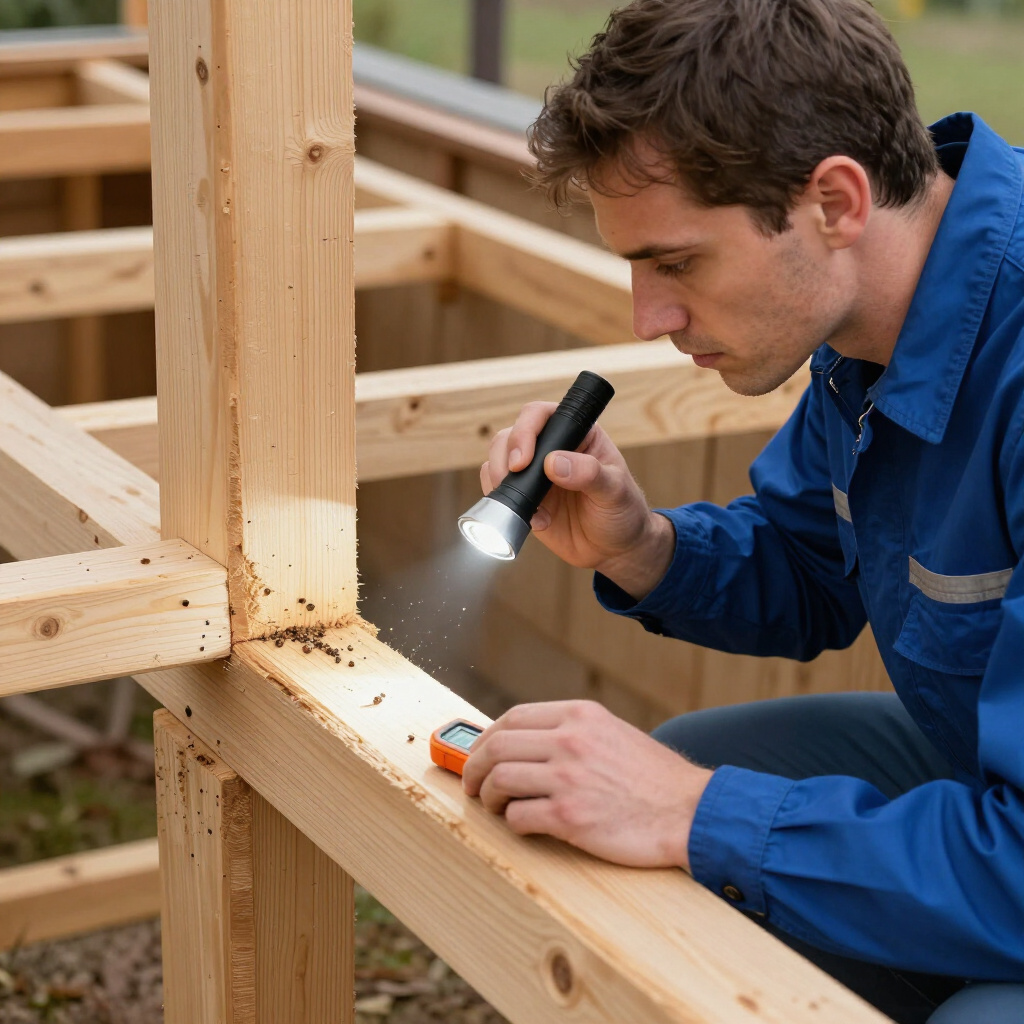
Termites are among the most destructive pests homeowners can face, causing billions of dollars in property damage each year across the United States. The real danger lies in their stealth—they can feast on your home's wooden structures for months or even years before you notice anything wrong. By the time visible signs appear, extensive damage may already be done. Knowing the early warning signs you may have termites can save you thousands in repair costs and protect your biggest investment. Whether you're a new homeowner or have lived in your house for decades, staying vigilant about termite activity is essential for maintaining a safe, structurally sound home.
Signs You May Have Termites in Your Home
Recognizing termite presence early requires knowing what to look for. These pests operate quietly, but they do leave behind evidence if you know where to search. Here are the most common indicators that termites have targeted your property.
Mud tubes on exterior walls or foundations. Subterranean termites, the most common species, build pencil-thin mud tunnels to travel between their underground colonies and food sources. These tubes protect them from dehydration and predators. You'll typically find them on concrete foundations, crawl space walls, or along exterior siding. Break open a tube—if active termites are inside, you have a current infestation requiring immediate attention.
Hollow-sounding wood. Tap on wooden beams, baseboards, or hardwood floors with the handle of a screwdriver. Healthy wood produces a solid, dull thud. Wood compromised by termites sounds hollow or papery because these pests consume wood from the inside out, leaving only a thin veneer intact. Pay special attention to areas near moisture sources like bathrooms, kitchens, and laundry rooms.
Discarded wings near windowsills and doors. Reproductive termites, called swarmers, emerge in spring to establish new colonies. After mating, they shed their wings, leaving behind small piles of translucent, equal-sized wings. Finding these near light sources or entry points strongly suggests a mature colony exists nearby—possibly inside your walls.
Frass: termite droppings. Drywood termites push their fecal matter out of small kick holes in wood, creating tiny piles that resemble sawdust or coffee grounds. Unlike sawdust, frass consists of hexagonal pellets and will reappear after cleaning. Finding frass indicates an active drywood termite infestation.
Bubbling or peeling paint. Moisture from termite activity can cause paint to bubble, crack, or peel—often mistaken for water damage. If you notice this pattern without an obvious plumbing leak, termites may be the hidden culprits creating moisture as they consume wood and soil.
Sagging floors and ceilings. Advanced infestations compromise structural integrity. Doors and windows may become difficult to open as frames warp. Floors might feel springy or spongy underfoot. Ceilings can develop unexplained sagging. These structural changes demand immediate professional evaluation.
Where to Inspect for Termite Activity
Conducting regular inspections yourself helps catch problems early. Focus your attention on these high-risk areas around your property.
Start with your home's foundation perimeter, especially where soil meets concrete or wood. Check crawl spaces and basements thoroughly—dark, damp, undisturbed environments attract termites. Inspect wooden decks, fences, and exterior structures that contact soil directly. Inside, examine attic spaces, especially around roof leaks or poor ventilation areas where moisture accumulates. Don't overlook plumbing penetration points through slabs or walls, as even minor leaks create ideal conditions for termite colonies.
Firewood stacks, mulch beds, and landscaping timbers placed against your home serve as bridges and attractants. Maintain at least six inches of clearance between soil and any wooden siding, and keep mulch levels well below this threshold. Store firewood elevated and at least twenty feet from your house.
Key Tips for Termite Prevention and Early Detection
Preventing termite problems proves far more affordable than treating established infestations and repairing damage. Implement these proactive measures to reduce your risk.
Control moisture diligently. Repair leaking faucets, pipes, and air conditioning units promptly. Ensure proper drainage around your foundation with functioning gutters and downspouts directing water away from the structure. Improve ventilation in crawl spaces and attics to reduce humidity levels that termites favor.
Remove cellulose-based debris from around your property. Clear stumps, dead trees, and construction lumber scraps. Replace wood mulch with rubber or gravel alternatives near foundations. Use pressure-treated or naturally resistant woods for outdoor projects.
Schedule professional inspections annually, even if you notice no signs you may have termites. Licensed pest control professionals possess training, tools, and experience to detect subtle evidence homeowners miss. Many companies offer free inspections, and early detection through professional evaluation provides invaluable peace of mind.
Consider preventive termite treatments if you live in high-risk regions. Liquid soil barriers and baiting systems create protective zones around structures. These treatments, applied by certified technicians, provide ongoing defense against future colony establishment.
Document your inspections with photos and notes. Tracking changes over time helps distinguish normal settling from progressive termite damage, and this documentation proves valuable if warranty claims or real estate transactions arise.
Final Thoughts
Termites operate silently but leave detectable traces for observant homeowners. Understanding the signs you may have termites—from mud tubes and hollow wood to discarded wings and structural changes—empowers you to act before catastrophic damage occurs. Combine vigilant self-inspection with professional annual evaluations, moisture management, and smart landscaping practices to create an environment where termites struggle to thrive.
If you discover any warning signs discussed here, contact a licensed pest management professional immediately. DIY treatments rarely eliminate entire colonies and may allow damage to continue hidden from view. Professional intervention ensures complete eradication and protects your home's value for years to come. Remember, when it comes to termites, early detection and expert treatment aren't just recommendations—they're essential investments in your property's future.