
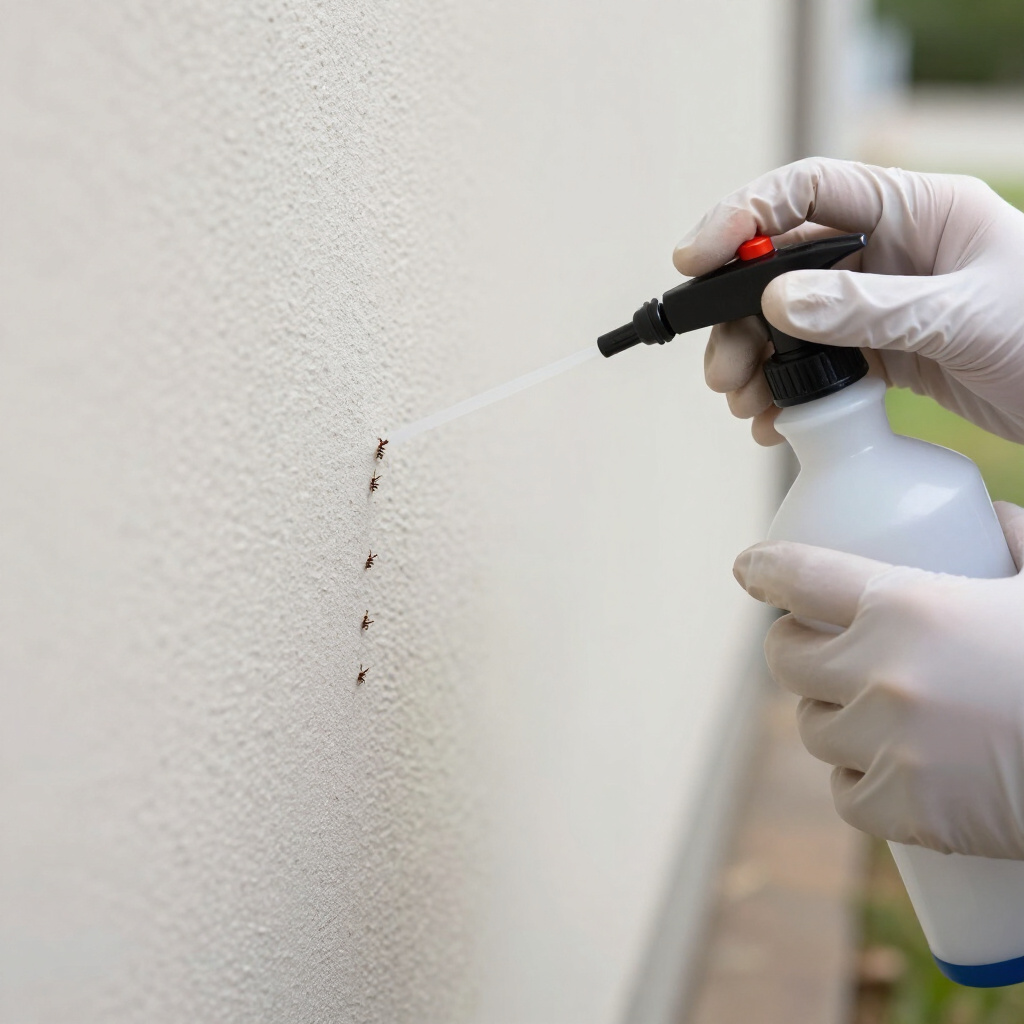


Your home changes with the seasons — and unfortunately, so do the pests trying to get inside. From ants marching in spring to rodents seeking winter shelter, each time of year brings its own set of uninvited guests. A proactive, season-by-season approach to pest control is the most effective way to protect your property, your health, and your peace of mind. This seasonal pest control checklist for homeowners will walk you through exactly what to watch for and when to take action, so you stay one step ahead of the critters all year long.
Spring: Awakening Pests and Early Prevention
As temperatures rise and dormant landscapes come back to life, pests emerge hungry and ready to reproduce. This is one of the most critical windows for preventive action.
Inspect and seal entry points. Walk your home's exterior and check for cracks in the foundation, gaps around windows and doors, and damaged screens. Even a quarter-inch opening is enough for many insects to slip through. Caulk gaps, replace weatherstripping, and repair torn screens before pest activity peaks.
Address moisture issues. Spring rains create ideal breeding conditions for mosquitoes, termites, and many other pests. Clean gutters, ensure downspouts direct water away from your foundation, and fix any leaky outdoor faucets. Inside, check under sinks and in basements for hidden moisture accumulation.
Clear winter debris. Remove leaf litter, fallen branches, and stacked firewood from against your home's exterior. These materials harbor overwintering pests like spiders, earwigs, and sowbugs that will soon become active and seek entry points.
Schedule a professional inspection. Early spring is ideal for a comprehensive pest assessment, especially for termite monitoring and identifying wasp nest construction before colonies grow.
Summer: Peak Activity and Vigilant Maintenance
Summer brings the highest pest activity of the year. Warm temperatures accelerate breeding cycles, and outdoor living increases human-pest encounters.
Maintain your yard strategically. Keep grass cut short, trim shrubs and tree branches away from your home's walls and roofline, and eliminate standing water in birdbaths, plant saucers, and clogged drains. These steps drastically reduce mosquito breeding sites and remove highway access for ants, cockroaches, and rodents.
Protect food indoors and out. Store pantry items in airtight containers, clean up crumbs promptly, and never leave pet food out overnight. For outdoor dining, cover dishes, use lidded trash cans, and clean grills after each use to avoid attracting yellow jackets, flies, and ants.
Monitor for signs of stinging insects. Check eaves, attics, sheds, and play structures weekly for paper wasp nest beginnings and hornet activity. Early removal of small nests is far safer than addressing established colonies.
Stay alert to hitchhikers. Summer travel increases bed bug risk. Inspect hotel rooms, keep luggage elevated, and wash and dry travel clothes on high heat immediately upon returning home.
Fall: The Invasion Window
As days shorten and temperatures drop, pests sense winter coming — and your warm home becomes increasingly attractive. Fall is when many of the most destructive indoor infestations begin.
Fortify against rodent entry. Mice can squeeze through gaps as small as a dime, rats through holes the size of a quarter. Install door sweeps, seal utility penetrations with steel wool and caulk, and cap chimneys. Inspect the garage and attic for droppings or gnaw marks, which signal active entry.
Remove pest harborage and food sources. Harvest garden produce before it overripens and attracts fruit flies and rodents. Store firewood at least twenty feet from your home and five inches off the ground. Clean and properly store outdoor furniture and grills.
Deal with overwintering insects. Boxelder bugs, stink bugs, lady beetles, and cluster flies seek wall voids and attics for winter shelter. Seal exterior cracks thoroughly, and consider professional exterior treatment around windows and doors where these pests congregate.
Service your heating system. Have HVAC professionals inspect ductwork — pests sometimes enter through damaged vents, and accumulated debris can attract insects seeking warmth.
Winter: Hidden Threats and Interior Monitoring
Pest activity slows outdoors, but indoor infestations can thrive unnoticed in your home's protected environment. Winter monitoring prevents small problems from becoming spring explosions.
Inspect less-frequented spaces. Check basements, attics, crawl spaces, and storage areas monthly for signs of rodents, spiders, or overwintering insects that have become active during warm spells. Look for droppings, gnawed materials, shed skins, and silk webbing.
Maintain dryness indoors. Winter heating can create dry conditions that drive certain pests deeper into living spaces, while condensation in poorly ventilated areas attracts others. Use dehumidifiers where needed, ensure bathroom exhaust fans function properly, and wipe down shower walls.
Store holiday decorations wisely. Cardboard boxes in attics and garages attract silverfish, carpet beetles, and rodents. Switch to plastic bins with tight-fitting lids, and inspect decorations before bringing them indoors. Never store edible gifts or scented candles with decorations.
Keep up with pet parasite prevention. Fleas and ticks can survive indoors year-round. Continue regular pet treatments, wash pet bedding frequently, and vacuum thoroughly — especially along baseboards and under furniture.
Key Tips for Year-Round Success
Certain practices strengthen your seasonal pest control checklist for homeowners no matter the month. Consistency matters more than intensity.
Establish a simple calendar reminder system for recurring tasks — gutter cleaning, perimeter inspection, and pantry rotation. Partner with a trusted pest control professional for quarterly or bi-annual preventive treatments, particularly if you live in a termite-prone region or have experienced recurring issues. Document what you observe each season; patterns emerge over time that help predict and prevent future problems.
Resist the urge to rely solely on over-the-counter sprays when problems appear. These often scatter pests deeper into hiding without addressing root causes, and improper application can pose risks to children, pets, and beneficial insects. Integrated pest management — combining sanitation, exclusion, mechanical control, and targeted treatment — delivers superior long-term results.
Finally, communicate with neighbors when appropriate. Pests do not respect property lines, and coordinated prevention in subdivisions or apartment buildings amplifies everyone's protection.
Final Thoughts
Effective pest control is not about reacting to emergencies — it is about building rhythms of prevention that adapt to each season's unique challenges. By following this seasonal pest control checklist for homeowners, you create an environment where pests struggle to find food, water, shelter, and entry. The investment of time and attention pays dividends in avoided damage, reduced health risks, and the simple comfort of knowing your home remains truly yours.
If you are unsure about identifying a pest, evaluating your home's vulnerabilities, or choosing appropriate treatments, professional guidance is always a wise next step. The best pest problem is the one that never develops — and with seasonal awareness, that goal is well within reach.