
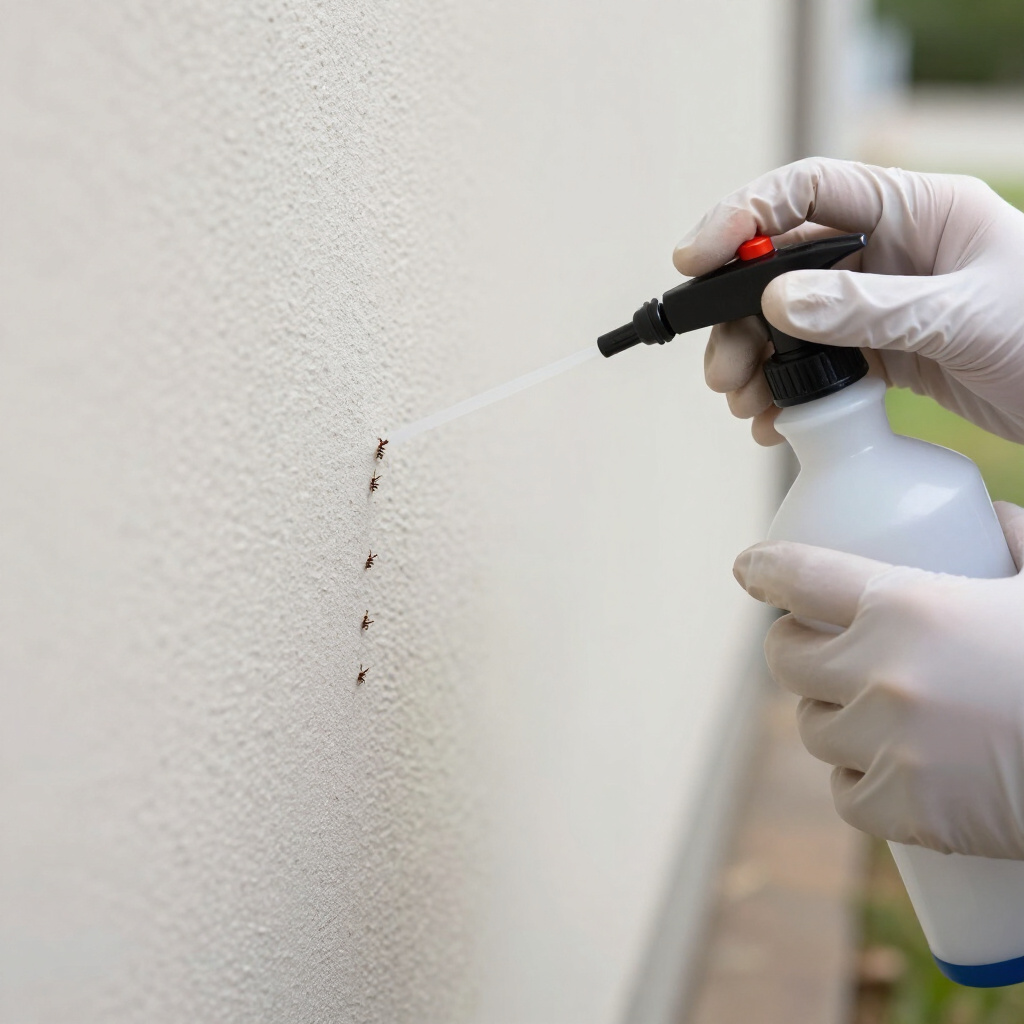

When ants march across your kitchen counter or aphids cluster on your rose bushes, reaching for a chemical spray might feel like the quickest fix. But more homeowners are discovering that natural pest control methods can be just as effective—without the harsh fumes, toxic residues, or worry about pets and children. The key is knowing which approaches work for specific pests and using them consistently. Let's explore proven natural solutions that pest professionals actually recommend.
Natural Pest Control Methods for Common Household Invaders
The foundation of effective natural pest control starts with understanding what attracts pests in the first place. Most insects enter your home seeking food, water, or shelter. Remove these incentives, and you've already won half the battle.
Block entry points before applying any treatment. Caulk gaps around windows and doors, repair torn screens, and seal cracks in your foundation. This simple step prevents new pests from replacing the ones you eliminate.
For ants specifically, diatomaceous earth works remarkably well. This fine powder, made from fossilized aquatic organisms, damages the exoskeletons of crawling insects, causing them to dehydrate. Sprinkle it along baseboards, behind appliances, and anywhere you've noticed ant trails. Use food-grade diatomaceous earth if you have pets or small children.
Boric acid remains one of the most reliable natural pest control methods for cockroaches and silverfish. Mix it with a small amount of sugar or flour as bait, and place it in areas where these pests travel. The insects ingest the boric acid while grooming and carry it back to their hiding spots. Always keep boric acid away from food preparation areas and out of reach of pets.
For flying insects like fruit flies, a simple apple cider vinegar trap proves surprisingly effective. Pour a small amount into a bowl, add a drop of dish soap to break surface tension, and cover with plastic wrap poked with tiny holes. The sweet scent attracts fruit flies, and they become trapped in the liquid.
Natural Pest Control Methods for Garden and Outdoor Spaces
Your yard and garden present different challenges, where you want to eliminate damaging pests without harming beneficial insects like bees, butterflies, and ladybugs.
Neem oil stands out as a versatile natural pest control method for outdoor use. Derived from the neem tree, this oil disrupts the feeding and reproductive cycles of aphids, spider mites, whiteflies, and many other soft-bodied insects. It breaks down quickly in sunlight, minimizing impact on pollinators when applied in early morning or evening.
Insecticidal soaps offer another gentle yet effective option for garden pests. These potassium-based soaps penetrate the protective coatings of insects, causing them to dry out. They work particularly well on aphids, mealybugs, and young scale insects. Because they require direct contact to work, thorough spraying is essential—focus on leaf undersides where pests hide.
Physical barriers represent some of the most underrated natural pest control methods. Row covers protect vegetables from flying insects, while copper tape around planters deters slugs and snails through a mild electric reaction. Companion planting—growing pest-repellent plants like marigolds, nasturtiums, and garlic near vulnerable crops—creates a protective buffer that many gardeners swear by.
Encouraging natural predators transforms your garden into a self-regulating ecosystem. Bird feeders, bat houses, and insect hotels attract creatures that feed on common pests. A single bat can consume thousands of insects nightly, while ladybugs and lacewings devour aphids at remarkable rates.
Essential Oils and Plant-Based Repellents
Certain concentrated plant oils deliver powerful pest-repelling properties without synthetic chemicals. Peppermint oil effectively repels spiders, ants, and mice—mix 10-15 drops with water in a spray bottle and apply to entry points and problem areas. Tea tree oil, eucalyptus, and lavender similarly deter various insects while leaving your home smelling fresh.
For mosquito control, citronella, lemongrass, and catnip oil provide notable protection. Plant these herbs around outdoor seating areas, or dilute their essential oils for skin-safe repellent sprays. Remember that essential oils evaporate faster than synthetic repellents, so reapplication every few hours maintains effectiveness.
Key Tips for Success with Natural Pest Control Methods
Transitioning to natural pest control methods requires adjusting your expectations and approach. These strategies often work more gradually than chemical alternatives, but they build sustainable, long-term protection.
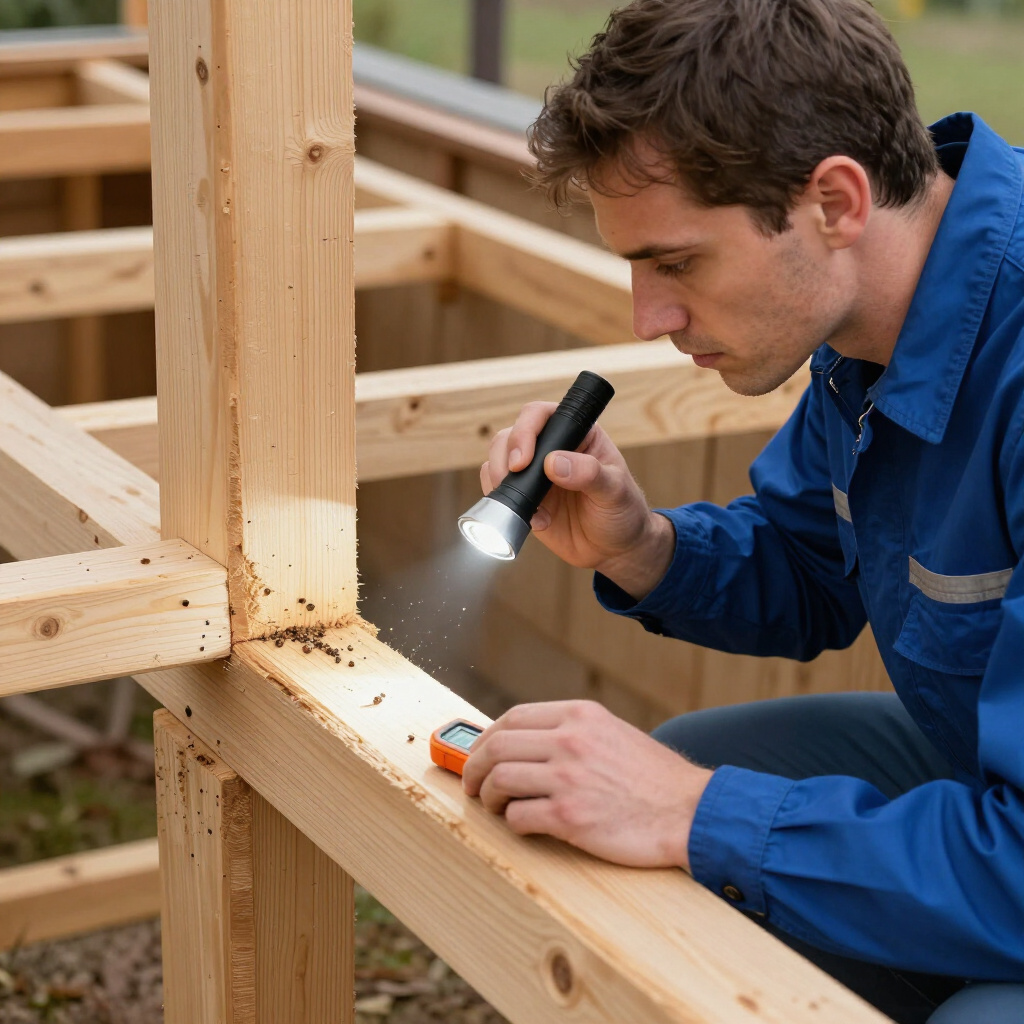
Identify your pest correctly before selecting any treatment. What eliminates carpenter ants won't phase termites, and aphid solutions differ from thrips remedies. Misidentification leads to wasted effort and continued damage.
Apply treatments consistently and reevaluate regularly. Natural products typically require more frequent application than their chemical counterparts. Set reminders for reapplication, especially after rain or heavy watering.
Combine multiple approaches for stubborn infestations. A single method rarely solves serious problems alone. Pair physical barriers with repellents, or use traps alongside habitat modification for comprehensive control.
Maintain cleanliness vigilantly—this supports every other natural pest control method you employ. Store food in sealed containers, fix leaky faucets promptly, remove clutter where pests harbor, and manage garbage carefully. Even the best natural treatments fail in environments that continuously attract new pests.
Know when to call professionals. Natural methods handle most routine pest issues beautifully, but established infestations of termites, bed bugs, or extensive rodent problems often require integrated approaches. Reputable pest control companies can incorporate natural options into broader treatment plans.
Final Thoughts
Natural pest control methods have evolved far beyond folklore and wishful thinking. Today's effective approaches combine time-tested remedies with modern understanding of pest biology and behavior. Whether you're protecting your kitchen from ants, your tomatoes from aphids, or your family from mosquito bites, solutions exist that respect both your health and the environment.
Start with prevention, choose targeted treatments for your specific pest, apply them consistently, and adjust based on results. The patience you invest in natural pest control methods rewards you with a safer home, thriving garden, and the satisfaction of solving problems working with nature rather than against it.