

There's nothing quite like the sinking feeling of spotting an unexpected visitor scurrying across your kitchen floor or hearing mysterious scratching sounds in your walls. Household pests aren't just a nuisance—they can damage your property, contaminate food, and even pose health risks to your family. The good news? Most infestations are entirely preventable with the right knowledge and consistent habits. Whether you're dealing with a current problem or simply want to stay ahead of one, understanding your adversary is the first step toward a pest-free home.
Most Common Household Pests and How to Prevent Them
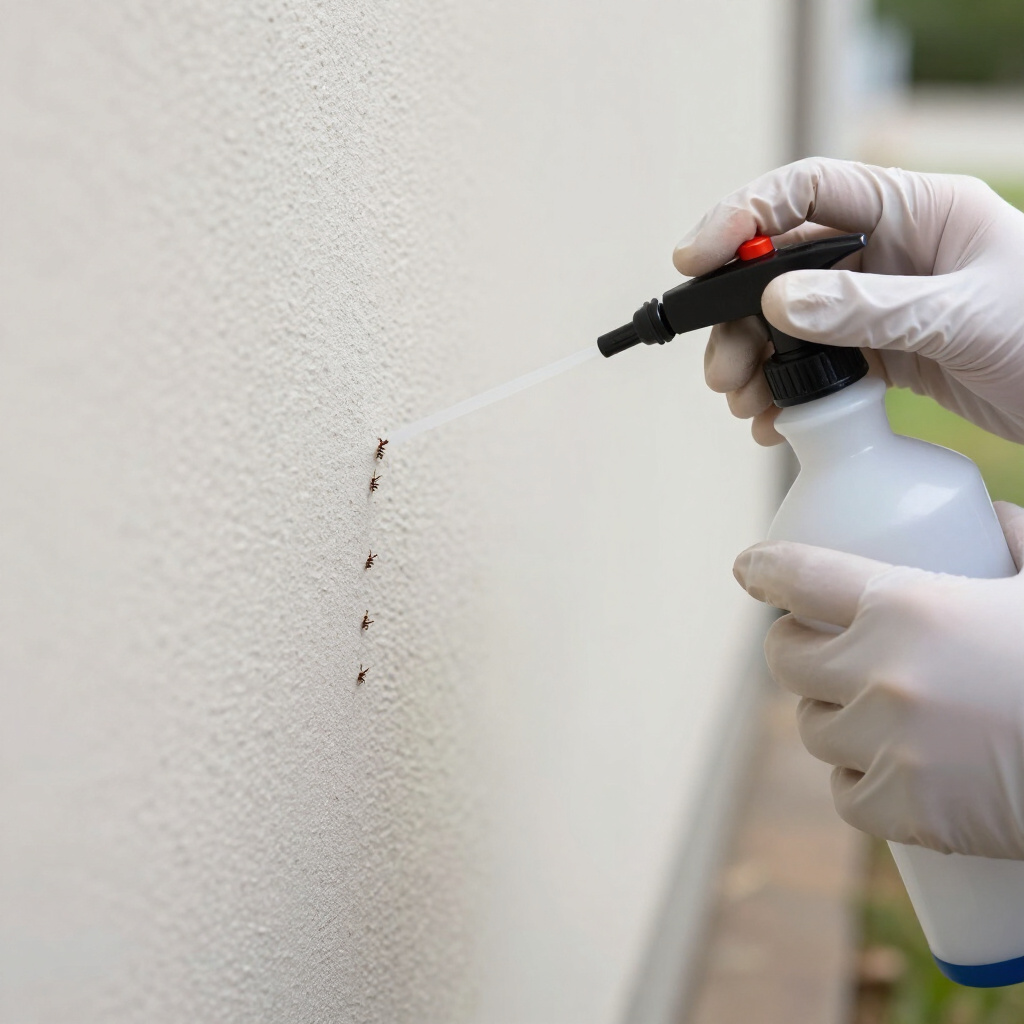
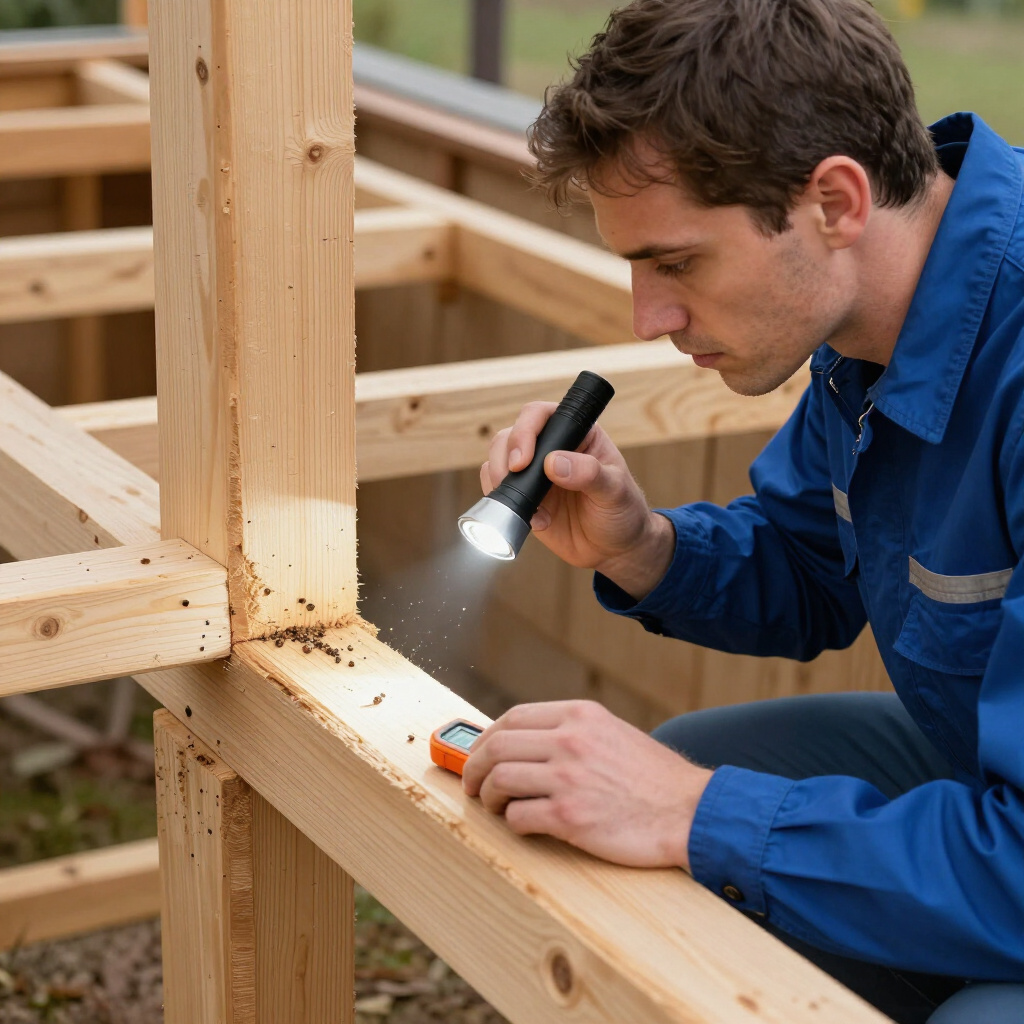
Every region has its own cast of problematic creatures, but certain pests have earned their reputation as universal household invaders. Ants top the list nearly everywhere, marching in seemingly endless lines toward any available food source. These tiny foragers can squeeze through cracks barely wider than a thread and will quickly alert their colony to promising finds. Cockroaches follow close behind, thriving in warm, humid environments and multiplying with alarming speed. Their nocturnal nature means you might not notice an infestation until it's well-established. Rodents—mice and rats—bring a different level of concern with their gnawing damage, droppings, and potential disease transmission. Meanwhile, termites work silently behind walls, causing structural damage that can cost thousands to repair. Other frequent offenders include spiders seeking shelter, silverfish damaging books and fabrics, and seasonal invaders like stink bugs and box elder beetles. Understanding which pests are most likely to target your home helps you tailor your prevention strategy effectively.
Entry Points and Attraction Factors
Pests don't appear out of nowhere—they find their way in through vulnerabilities and stay because your home meets their survival needs. The most common entry points include gaps around doors and windows, cracks in foundations, utility line penetrations, and damaged vents or screens. Even pet doors and chimney flues can serve as welcome mats. Beyond physical access, pests are drawn to three essential resources: food, water, and shelter. Crumbs on countertops, unsealed pantry items, pet food left overnight, and overflowing garbage cans broadcast an open invitation. Leaky pipes, condensation buildup, and standing water in drains or plant saucers satisfy their hydration needs. Clutter provides hiding spots and nesting material, while overgrown vegetation against your home creates natural bridges for invaders. Temperature extremes outside also drive pests indoors, making seasonal transitions particularly risky periods.
Prevention Strategies That Actually Work
Effective pest prevention combines multiple defensive layers, starting with thorough exclusion. Inspect your home's exterior annually, sealing gaps with appropriate materials—steel wool for rodents, caulk for small cracks, weatherstripping for door frames, and fine mesh for larger openings. Pay special attention to areas where utilities enter, as these are frequently overlooked highways for pests. Inside, maintain impeccable sanitation habits. Store dry goods in airtight containers, wipe down surfaces daily, take out garbage regularly, and don't let dirty dishes accumulate. Fix plumbing leaks promptly and address moisture issues in basements, crawl spaces, and bathrooms. Reduce clutter that harbages pests and makes detection difficult. Outdoors, maintain a buffer zone by trimming vegetation at least six inches from your foundation, keeping firewood stacked away from the house, and ensuring proper drainage to eliminate standing water. For persistent problems or high-risk areas, consider working with a professional who can identify species-specific vulnerabilities and implement targeted treatments.
When to Call a Professional
DIY prevention handles most situations admirably, but certain scenarios warrant expert intervention. If you spot multiple pests regularly, find droppings or damage, hear wall or ceiling activity, or notice musty odors suggesting hidden nests, the infestation likely exceeds home remedies. Termites demand immediate professional attention given their destructive potential. Similarly, bed bugs, widespread rodent problems, or any pest causing health concerns should prompt a call to licensed experts. Professionals bring specialized identification skills, access to commercial-grade treatments, and the experience to address root causes rather than symptoms. They can also provide ongoing monitoring and maintenance plans for peace of mind.
Final Thoughts
A pest-free home isn't about luck—it's about consistent, informed effort. By understanding the most common household pests and how to prevent them, you transform from reactive victim to proactive defender. Start with the fundamentals: seal entry points, eliminate attractants, and maintain vigilance. Address small problems before they multiply, and don't hesitate to enlist professional help when situations exceed your comfort level. Your home should be a sanctuary, not a shared space with unwanted wildlife. With these strategies in place, you can enjoy genuine peace of mind knowing you've built a robust defense against nature's most persistent opportunists.