
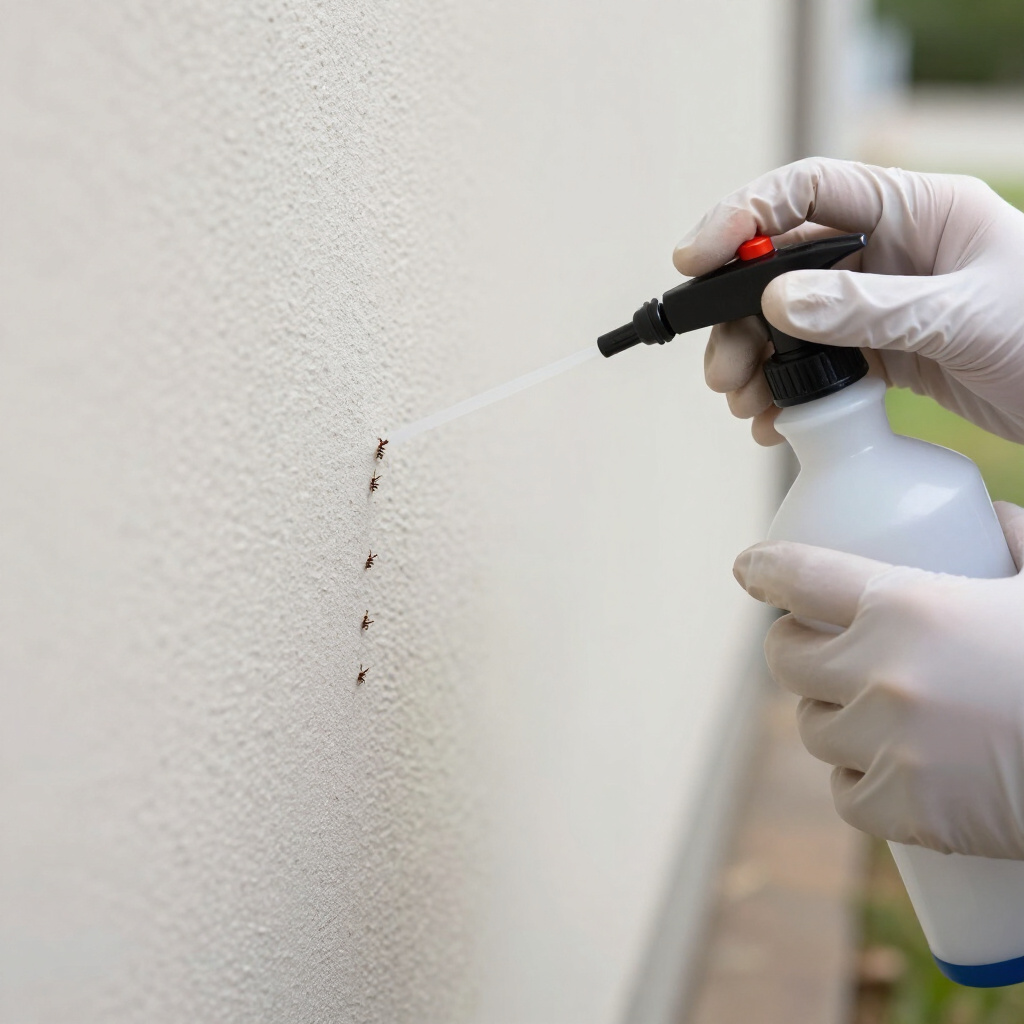


There's nothing quite like the frustration of spotting a single ant on your kitchen counter, only to follow its trail and discover hundreds more marching through your home. Ant invasions can feel sudden and overwhelming, but the good news is that most are entirely preventable. With a few smart habits and a basic understanding of what draws ants indoors, you can keep your home ant-free without relying on constant chemical treatments. Here's everything you need to know to stop ants from making themselves at home in your space.
How to Prevent Ants From Invading Your Home by Eliminating Food Sources
Ants enter homes for one primary reason: they're searching for food. Even tiny crumbs or residue you might not notice can send out a chemical signal to an entire colony. The first and most important step in ant prevention is making your home as unappealing as possible from a food perspective.
Start in your kitchen. Wipe down counters and sweep floors daily, paying special attention to areas where food is prepared or consumed. Don't forget appliance crevices—coffee makers, toasters, and stovetops often accumulate crumbs and sticky residue that attract foraging ants. Store all pantry items, including sugar, flour, and pet food, in airtight containers made of glass or thick plastic. Ants can chew through thin packaging and squeeze through remarkably small openings.
Your garbage and recycling areas need attention too. Use bins with tight-fitting lids, and rinse food containers before placing them in recycling. Take out the trash regularly, especially during warmer months when ants are most active. Even outdoor garbage cans should sit away from your home's foundation if possible.
Pet owners should be vigilant about feeding schedules. Avoid leaving pet food out overnight, and clean bowls thoroughly after each meal. A few kibbles left in a dish can become an ant buffet in no time.
Seal Entry Points and Address Moisture Issues
Once you've removed the incentive for ants to enter, the next critical step is removing their access. Ants are incredibly resourceful at finding ways inside, but a thorough inspection and some basic maintenance can close most opportunities.
Walk the perimeter of your home and examine windows, doors, and the foundation for gaps and cracks. Weatherstripping around doors degrades over time and should be replaced when you notice wear. Caulk around window frames, utility penetrations, and any visible foundation cracks. Even a gap the width of a pencil can accommodate dozens of ants.
Pay attention to less obvious entry routes. Tree branches and shrubs that touch your home act as natural bridges for ants. Trim vegetation back at least several inches from walls and rooflines. Check that screens are intact and fit properly, especially on windows you open frequently.
Moisture is another major ant attractant that homeowners often overlook. Leaky faucets, condensation under sinks, and damp basements create ideal conditions for certain ant species and can rot wood, making it easier for ants to establish nests. Repair plumbing leaks promptly, ensure proper ventilation in bathrooms and crawl spaces, and direct gutter downspouts away from your foundation to keep the perimeter dry.
Key Tips for Long-Term Ant Prevention
Consistent habits make the difference between temporary relief and lasting protection. Consider these additional strategies to reinforce your defenses:
Maintain your outdoor space strategically. Mulch and landscaping materials placed directly against your foundation create moist, sheltered highways for ants. Keep mulch layers thin and maintain a buffer zone of bare soil or gravel next to your home's base. Firewood and compost piles should sit well away from the house and elevated off the ground.
Clean with purpose. When ants establish a trail, they leave behind pheromones that guide others to the same location. Standard cleaning products may not fully erase these chemical signals. A solution of equal parts white vinegar and water effectively disrupts ant trails and removes the invisible roadmap encouraging repeated visits. Use it on counters, floors, and anywhere you've spotted ant activity.
Know when to monitor versus when to act. Seeing a few ants occasionally during spring or summer is normal and doesn't necessarily indicate an infestation. However, consistent indoor sightings, especially of winged ants or ants in multiple rooms, suggest a colony has established itself nearby or within your home. At that point, professional evaluation becomes worthwhile.
Avoid counterproductive DIY treatments. Over-the-counter sprays may kill visible ants but often scatter colonies, causing them to split into multiple nests—a phenomenon called budding. Bait products can be effective for certain species but useless or even harmful with others. Misidentifying the ant species leads to wasted effort and potentially worse problems. When in doubt, targeted professional intervention saves time and prevents complications.
Schedule seasonal inspections. The most effective ant prevention happens before you see a single insect. Early spring, when colonies become active and begin sending out foragers, is an ideal time to assess your home's vulnerabilities and address them proactively.
Final Thoughts
Preventing ants from invading your home comes down to two fundamentals: denying them what they want and blocking how they get in. Neither requires expensive equipment or harsh chemicals—just attentiveness and consistent habits. Start with rigorous cleanliness, seal obvious entry points, manage moisture, and maintain your landscape with ant prevention in mind. These steps protect against not only ants but many other household pests that exploit the same conditions.
Sometimes, despite your best efforts, ant problems persist due to hidden nests, neighboring infestations, or species that require specialized treatment. When prevention isn't enough, working with experienced pest control professionals ensures the problem is resolved thoroughly without the guesswork or risk of making it worse. The investment in expert help often pays for itself in saved time, protected property, and lasting peace of mind.