

Finding a spider in your bathtub or spotting a web in the corner of your ceiling can make even the calmest homeowner feel unsettled. While spiders play a valuable role in nature by controlling insect populations, that doesn't mean you want them setting up residence inside your home. The good news? Keeping spiders out of your house is entirely achievable with a combination of proactive prevention, smart home maintenance, and a few targeted deterrents. Here's everything you need to know to reclaim your space and enjoy a spider-free home.
How to Keep Spiders Out of Your House by Sealing Entry Points
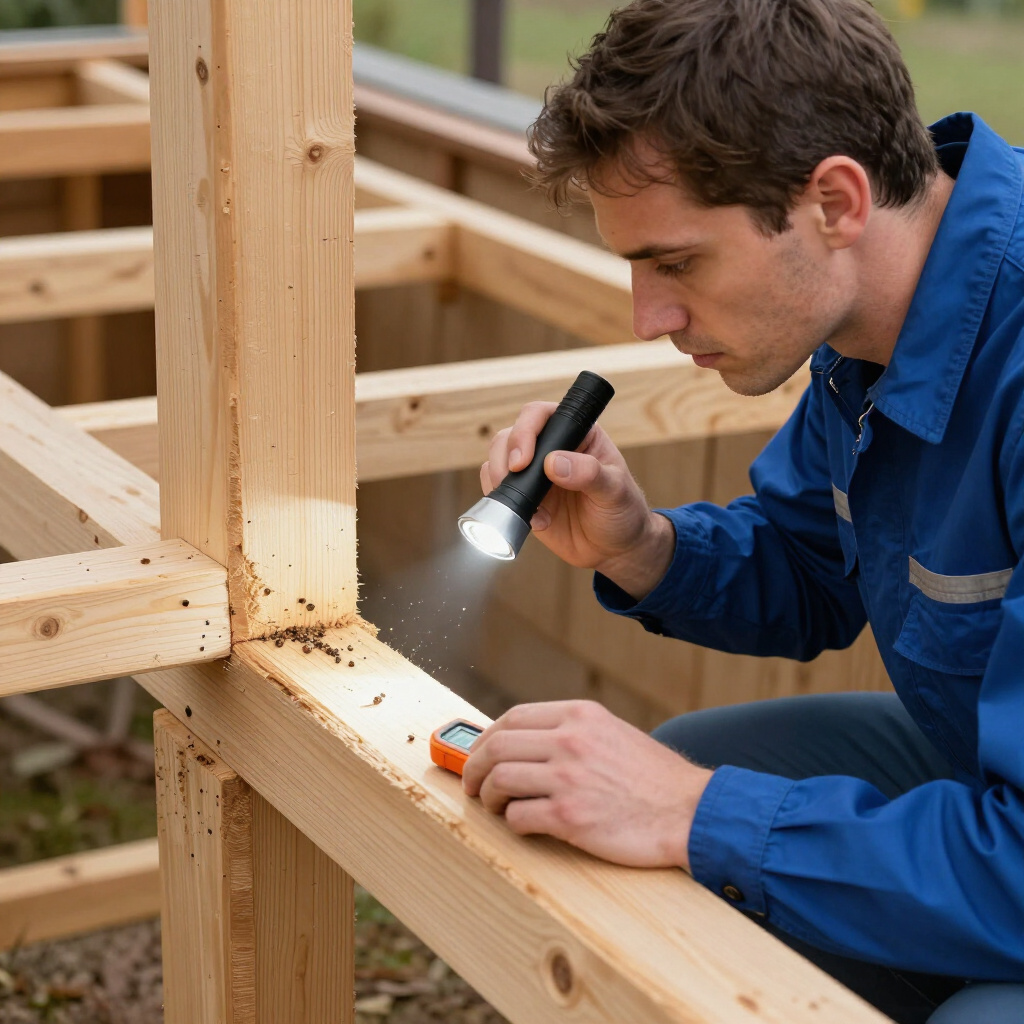
The most effective long-term strategy for spider control starts with making your home physically difficult to enter. Spiders can squeeze through remarkably small gaps—some species need only a crack the width of a pencil to slip inside. Begin your inspection with the exterior of your home, paying special attention to areas where utilities enter, foundation cracks, and gaps around windows and doors.
Replace worn weatherstripping around doors and install door sweeps if you notice light streaming underneath. Caulk around window frames, utility penetrations, and any visible cracks in your foundation. Don't overlook vents—cover them with fine mesh screens that allow airflow while blocking arachnid access. Even tiny gaps around dryer vents, soffits, and chimney flashing deserve attention.
Inside your home, focus on the basement, attic, and crawl spaces where spiders often first establish themselves. Seal gaps around pipe penetrations in walls, repair torn window screens, and consider adding weatherstripping to basement windows. Remember that spiders follow prey, so sealing entry points for insects simultaneously reduces the food source that attracts spiders in the first place.
Remove the Conditions That Attract Spiders
Spiders enter homes for two primary reasons: shelter and food. Disrupting these motivations makes your house far less appealing. Start by controlling moisture, as damp environments attract both spiders and their prey. Run dehumidifiers in basements, fix leaky pipes promptly, and ensure bathrooms have adequate ventilation. Outside, direct downspouts away from your foundation and eliminate standing water.
Clutter provides excellent spider harborage. Cardboard boxes, piles of newspapers, and stored clothing create dark, undisturbed spaces where spiders can hunt and reproduce undetected. Transition to plastic storage containers with tight-fitting lids, keep items off basement floors when possible, and regularly disturb quiet corners with cleaning and reorganization.
Outdoor maintenance matters enormously. Trim shrubs, tree branches, and overgrown vegetation so nothing touches your home's exterior—spiders use these as bridges to access walls and roofs. Move firewood piles at least twenty feet from your house and elevate them off the ground. Reduce outdoor lighting or switch to yellow sodium vapor bulbs, as bright white lights attract the flying insects that spiders feed upon.
Key Tips for Ongoing Spider Prevention
Maintaining a spider-free home requires consistent habits rather than one-time interventions. Establish a regular cleaning routine that disrupts webs and egg sacs before populations grow. Vacuum corners, ceilings, behind furniture, and under appliances weekly. When you spot a web, remove it completely—spiders often rebuild in the same location, but repeated disruption encourages them to relocate.
Consider natural deterrents as supplementary tools. Essential oils like peppermint, tea tree, and eucalyptus have shown mild repellent properties when diluted and sprayed in problem areas. Vinegar solutions can achieve similar effects. Diatomaceous earth, a fine powder made from fossilized algae, can be applied in wall voids and crawl spaces where it damages the exoskeletons of insects and arachnids. However, manage expectations—these methods provide modest benefits and work best as part of a comprehensive approach.
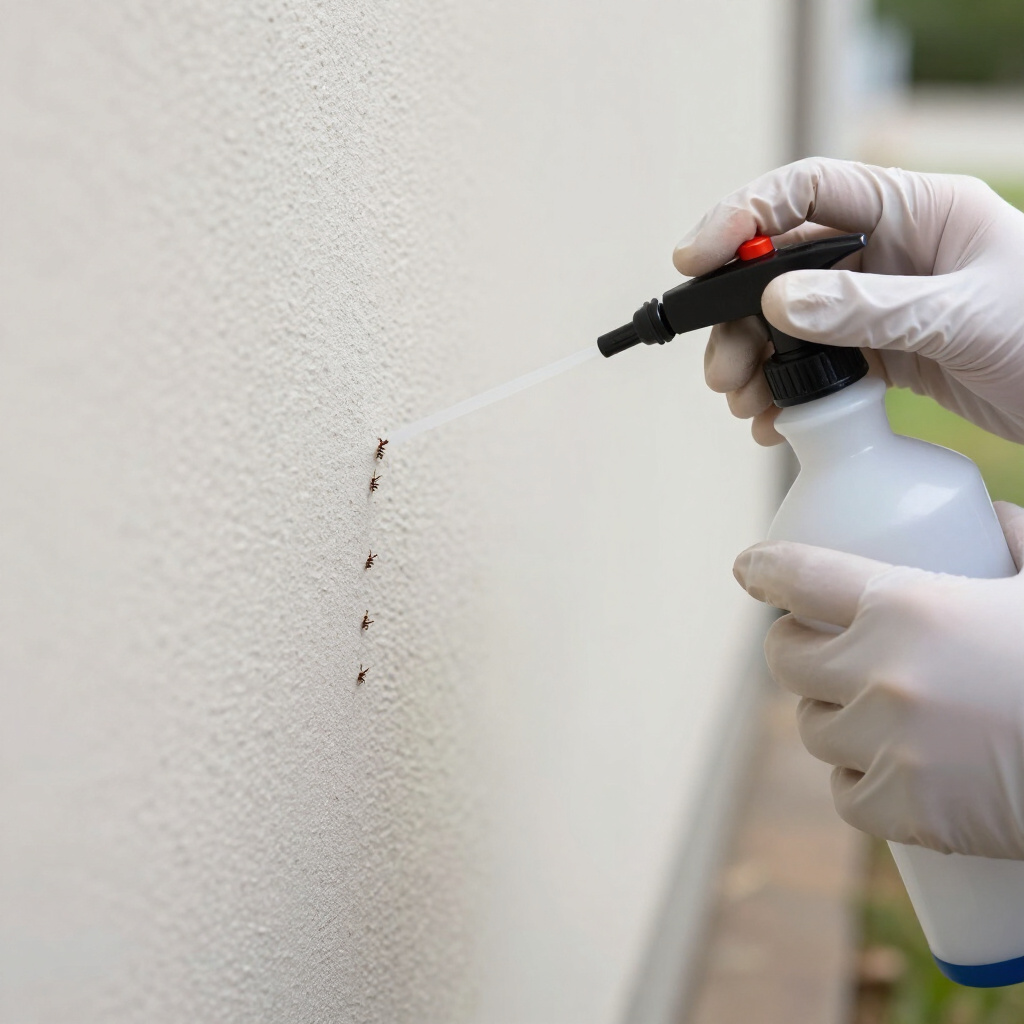
For persistent problems, professional perimeter treatments create a chemical barrier that intercepts spiders before they enter. Modern pest control products are applied strategically around foundations, eaves, and entry points, targeting the specific behaviors of local spider species. These treatments typically require seasonal reapplication and work most effectively when combined with the habitat modifications described above.
Finally, address the insect populations that sustain spiders. Proper food storage, prompt cleanup of crumbs, and management of other household pests eliminate the buffet that keeps spiders well-fed indoors. Sometimes the spider in your kitchen is simply evidence of a broader pest issue that needs attention.
Final Thoughts
Learning how to keep spiders out of your house ultimately comes down to understanding spider behavior and systematically removing their opportunities to thrive. No single tactic guarantees complete elimination, but the layered approach of sealing entry points, reducing attractants, maintaining cleanliness, and considering professional treatments when needed creates an environment where spiders cannot easily establish themselves.
Patience and persistence pay dividends. Spider prevention is an ongoing practice rather than a one-time fix, but the reward—a home where you can relax without unexpected eight-legged encounters—is well worth the effort. Start with the structural improvements that provide lasting protection, build consistent maintenance habits, and don't hesitate to consult pest professionals when situations exceed comfortable DIY management. Your peaceful, spider-free home awaits.