
When you spot a trail of ants marching across your kitchen counter or hear scratching in your walls at night, the immediate question becomes: should you tackle this yourself or call in the pros? Both DIY pest control and hiring a professional have their place, but making the right choice depends on understanding what each approach actually offers—and where each one falls short. Let's break down what homeowners need to know to protect their families and properties effectively.
DIY Pest Control vs Hiring a Professional: Knowing When Each Approach Works
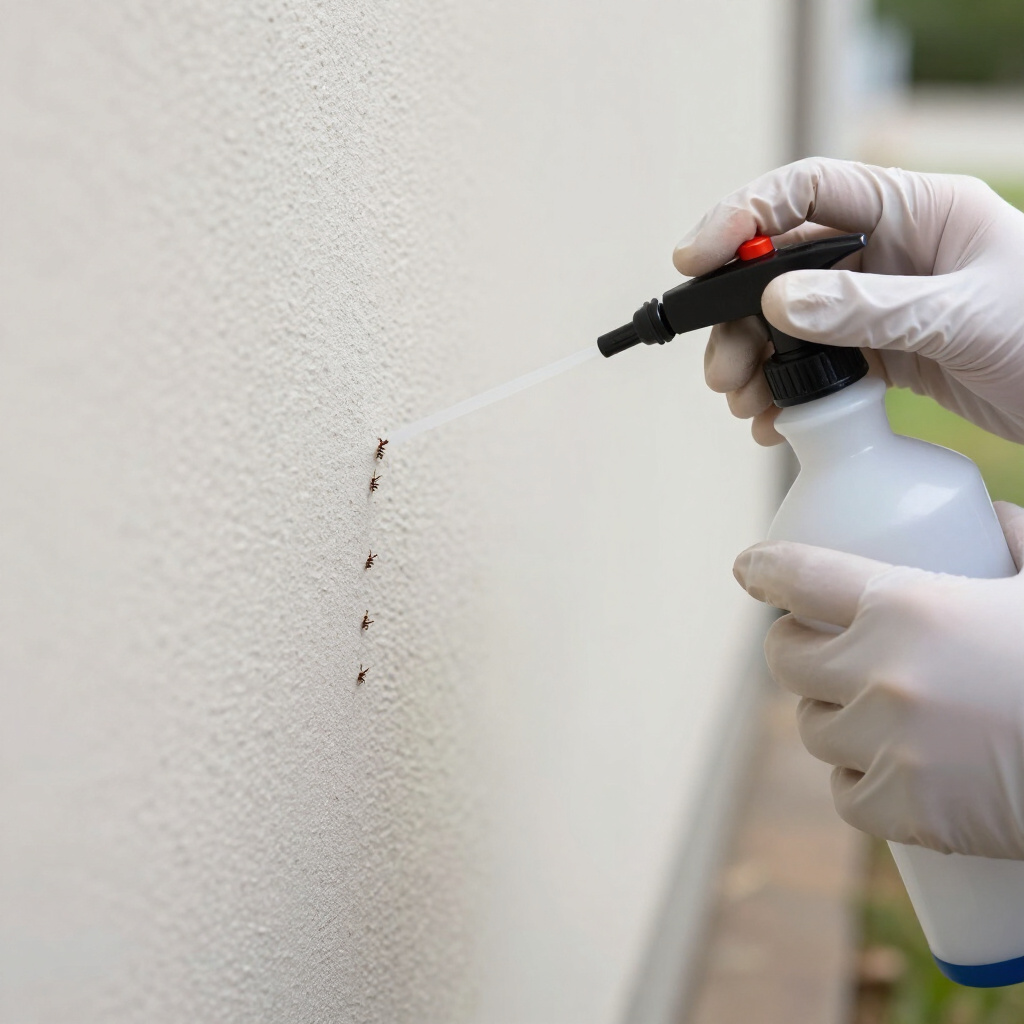
The DIY route appeals to many homeowners for understandable reasons. Store-bought sprays, traps, and baits are readily available, relatively inexpensive, and promise quick results. For minor, isolated issues—a few fruit flies in summer, a single wasp nest you can safely reach, or the occasional spider—DIY methods often do the job adequately.
However, the effectiveness of DIY pest control vs hiring a professional diminishes rapidly as problems grow more complex. Over-the-counter products typically contain lower concentrations of active ingredients and lack the residual power of professional-grade treatments. They're designed for consumer safety first, which means compromised potency. What starts as a "simple" ant problem can explode into a full-blown colony infestation when surface sprays only kill visible workers while the queen continues reproducing underground or within your walls.
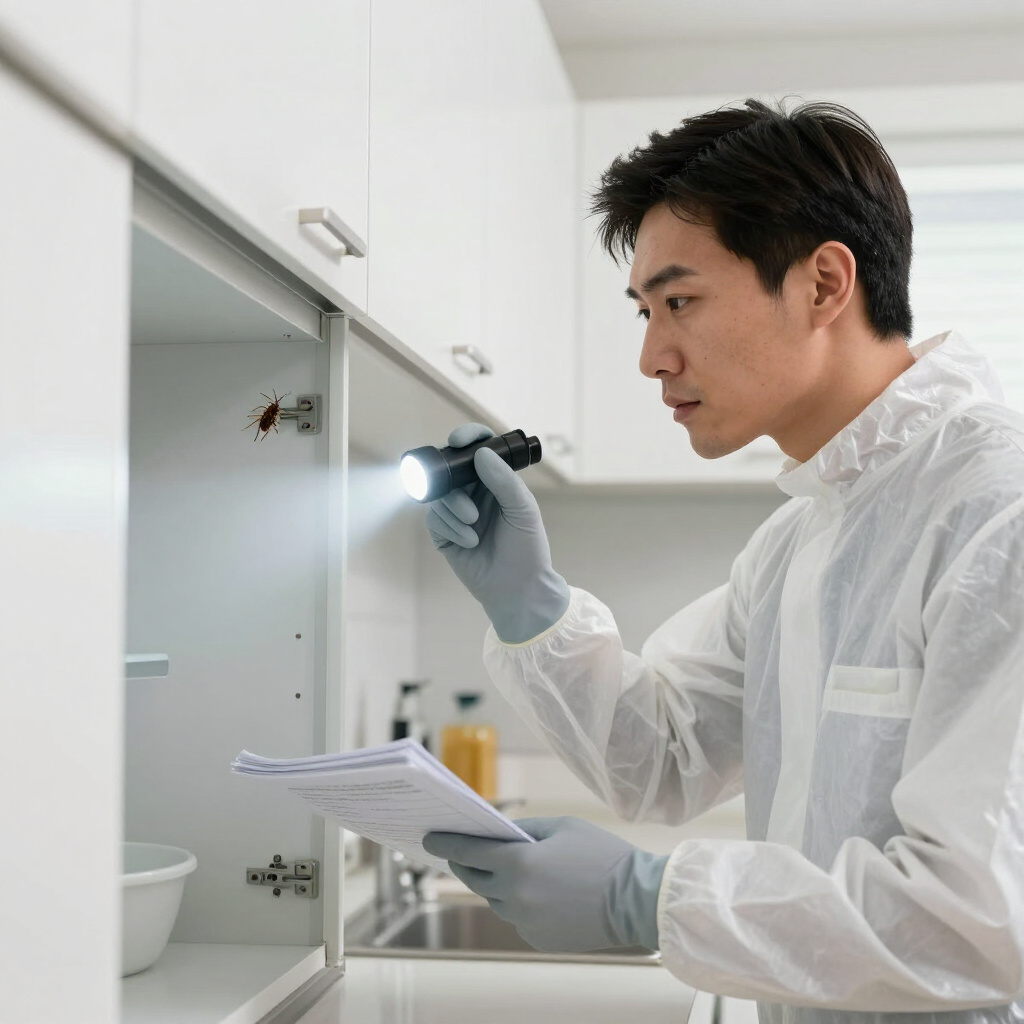
Professionals bring something DIY cannot replicate: diagnostic expertise. A trained technician identifies the exact species, locates nesting sites you might never find, and understands pest behavior patterns. That carpenter ant trail across your deck? The nest could be thirty feet away in a rotting tree, with satellite colonies inside your home's structural framing. Without addressing the source, you're running in circles.
The Hidden Costs and Risks of Going It Alone
DIY pest control vs hiring a professional isn't just about the price tag on a can of spray. Consider the broader economics. Misapplication wastes money on repeat purchases. Incorrect use of pesticides creates health hazards for children, pets, and beneficial wildlife. Some homeowners inadvertently spread infestations by disturbing nests without proper containment—disturbing a bed bug harborage, for instance, can scatter insects to new locations throughout your home.
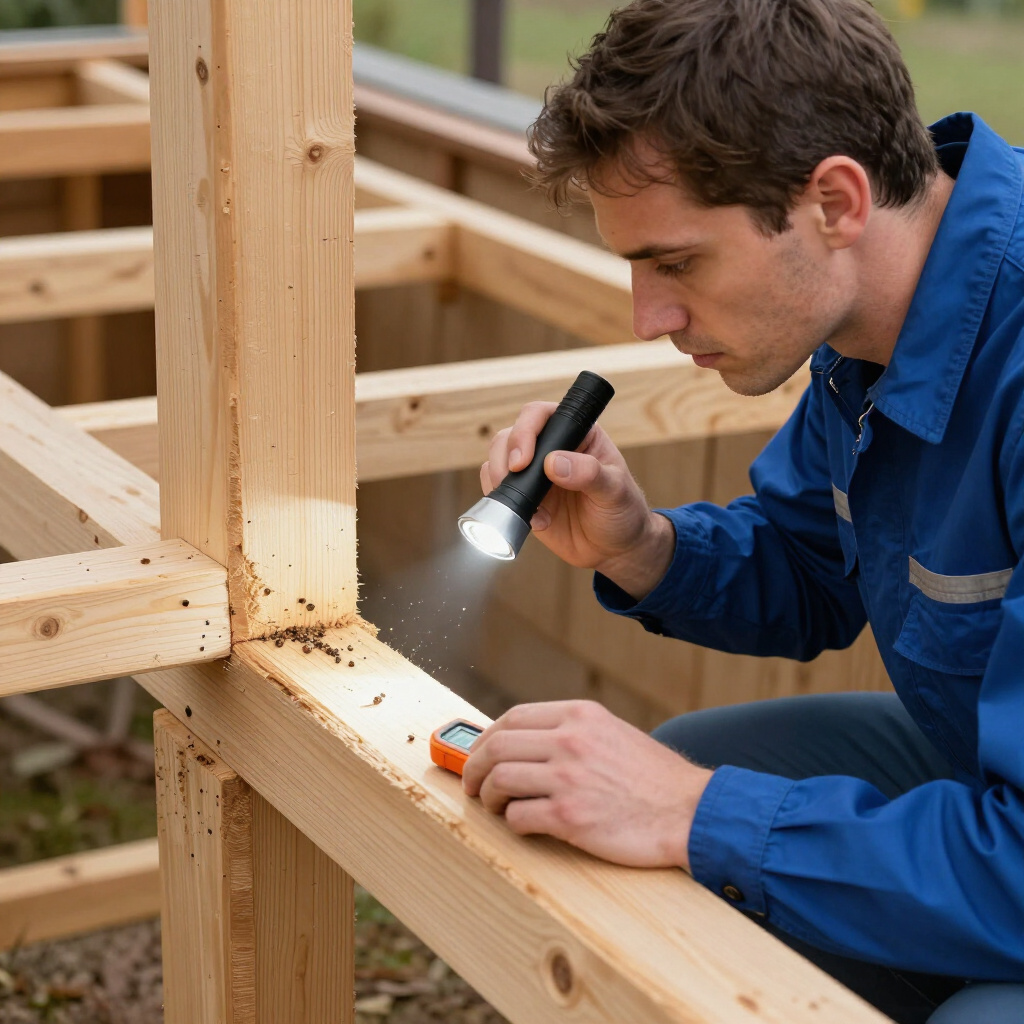
Certain situations demand professional intervention without exception. Termite infestations require specialized equipment and federally regulated termiticides. Extensive rodent problems need integrated approaches involving exclusion, trapping, and sanitation that go far beyond setting a few snap traps. Venomous spider species, cockroach infestations in multi-unit buildings, and any pest issue compromising food safety all warrant expert handling.
There's also the time investment. Researching products, applying treatments repeatedly, monitoring results, and dealing with recurring problems consumes hours many busy families don't have. Professional services offer guarantees and follow-up visits—peace of mind that DIY simply cannot provide.
Key Tips for Making Your Decision
Before deciding between DIY pest control vs hiring a professional, honestly assess your situation using these guidelines:
DIY may suffice when: You're dealing with a small, newly identified problem; the pest poses no health or structural threat; you can clearly identify the species and access the source; and you're willing to monitor diligently and re-treat as needed. Even then, stick with targeted, low-toxicity options and always follow label directions precisely.
Call professionals when: Infestations persist beyond two weeks of DIY effort; pests pose health risks (rodents, cockroaches, stinging insects, disease-carrying mosquitoes); you suspect termites or other wood-destroying organisms; the problem involves multiple rooms or units; or you're simply uncertain what you're dealing with. Trust your instincts—uncertainty often signals complexity requiring expertise.
When hiring, verify credentials: Ensure proper licensing through your state regulatory agency, request proof of insurance, check reviews focusing on long-term resolution rather than just initial service, and ask about integrated pest management (IPM) approaches that minimize chemical reliance. The cheapest quote rarely delivers the best value.
Many homeowners find success with a hybrid approach: professional intervention for established infestations and serious threats, followed by diligent prevention and minor maintenance they handle themselves. This partnership model leverages professional expertise while empowering ongoing protection.
Final Thoughts
Choosing between DIY pest control vs hiring a professional ultimately comes down to matching the right tool to the job. Minor, well-understood problems may resolve with careful DIY application. But pests rarely announce the full scope of their invasion, and what appears manageable often conceals deeper issues. When health, home structure, or quality of life hang in the balance, professional expertise pays dividends far exceeding the initial service cost.
The smartest homeowners know their limits. They recognize that effective pest management isn't about pride—it's about results. Whether you grab that spray bottle or dial a professional's number, make the decision based on honest assessment rather than wishful thinking. Your home deserves nothing less than thorough, lasting protection.